Lexus updated the LS a year after they stopped selling it in Europe
Lexus reworked its flagship for the two countries that still buy it
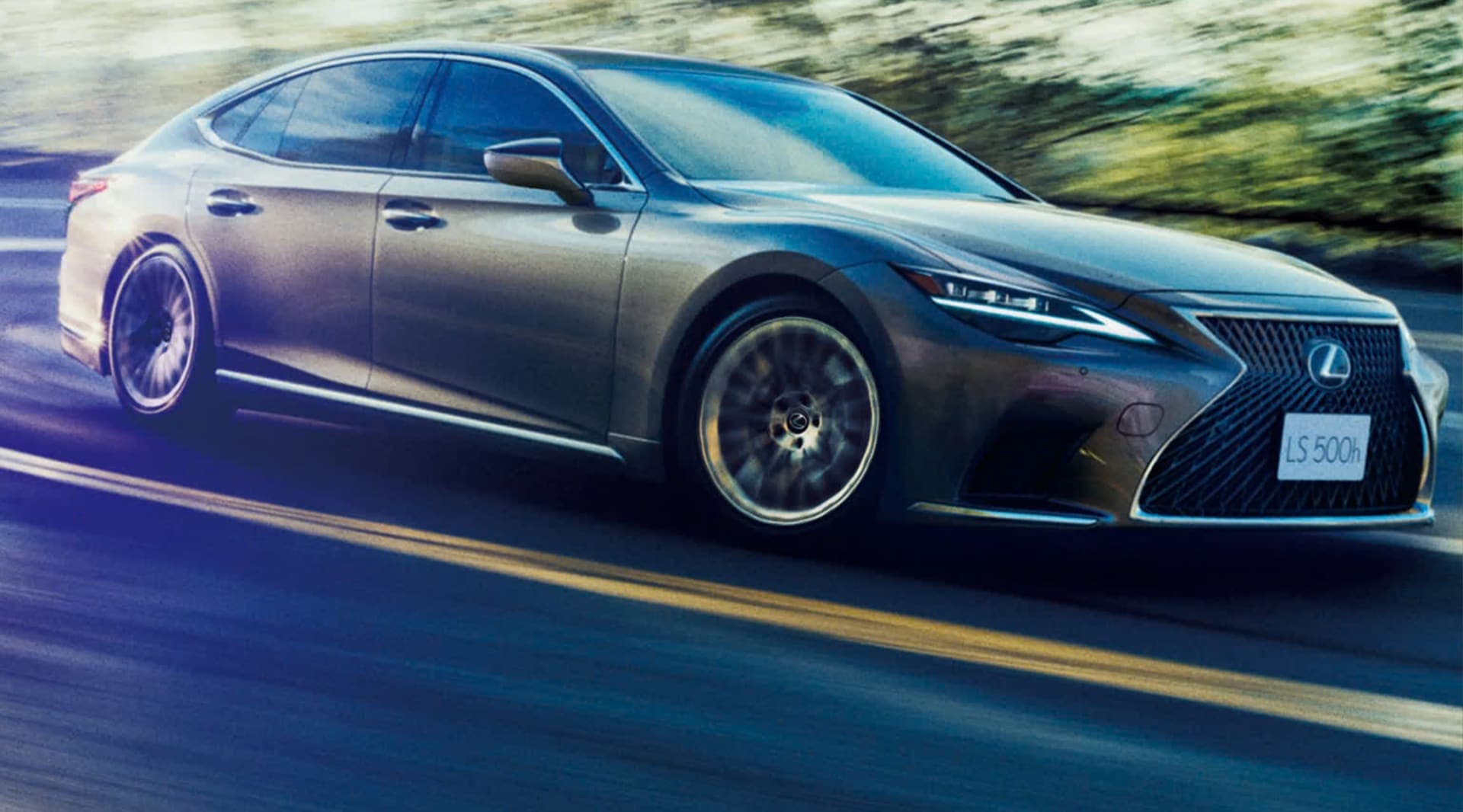
Lexus began selling a revised LS in Japan on 10 September, nine years after the fifth generation launched and eleven months after the model was struck from every European price list. The changes are engineering rather than trim: a stiffer body shell, retuned suspension and steering, and a range cut to six hybrid variants. Australia gets the same car towards the end of the year. Europe does not.
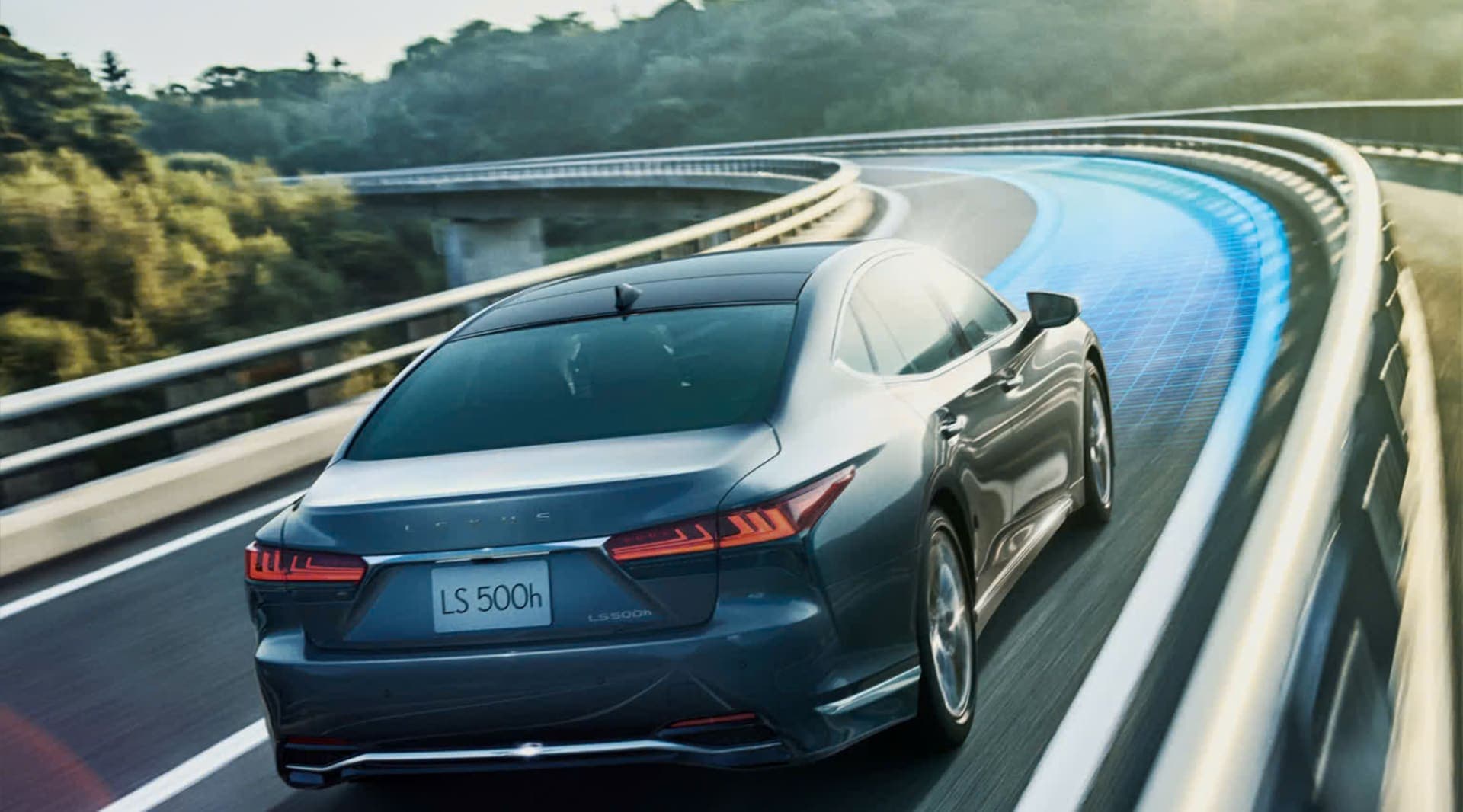
The 422 hp twin-turbo LS500 is gone, leaving the 359 hp LS500h
Every 2027 LS in Japan is an LS500h. Its naturally aspirated 3.5-litre V6 makes 299 hp and 356 Nm, a 180 hp electric motor sits behind it, and Lexus quotes 359 hp for the system, sent through a CVT with a four-speed automatic bolted behind it to imitate ten ratios. The 3.4-litre twin-turbo LS500, the 422 hp and 600 Nm car, has been deleted, together with the entry I package trim. The lineup shrinks from sixteen variants to six: F Sport, Version L and Executive, each in rear- or all-wheel drive.
The cheapest LS in Japan now costs ¥3.03 million more than in August
Lexus's price list runs from ¥14.14 million for the rear-drive F Sport to ¥18.05 million for the all-wheel-drive Executive, roughly €79,000 to €101,000 at current rates. Grade for grade, the hybrid moved by between ¥10,000 and ¥180,000, a rounding error on a car this size. The floor is a different story. The old range opened with the petrol LS500 I package at ¥11.11 million, and that car no longer exists, so the entry ticket rose by ¥3.03 million, or 27 percent, without a single grade carrying a headline price increase.
Lexus reinforced the centre tunnel and baked resin onto the braces
The engineering content is in the shell. Lexus has stiffened the centre tunnel and the front and rear structures, and applied what it calls REDS, a response-enhancing damping structure, to the rear suspension brace and the luggage-compartment brace: a thermosetting resin, cured in the paint oven, that damps high-frequency vibration. The adaptive dampers and the electric power steering were retuned around the stiffer body for less roll and pitch. A panoramic glass roof with a mesh wind deflector joins the options list on every grade, the L badge on the boot gives way to a Lexus wordmark, and the Executive gains cut-glass door panels. The 12.3-inch screen and the rest of the cabin are untouched.
Europe dropped the LS on 1 October 2025 after Britain sold three in a year
Lexus removed the LS from its European range on 1 October 2025. The UK had gone first, in January that year, after registering three LS in 2024 and 39 since the start of the decade; the Netherlands was registering one or two a year. The German, French and Dutch Lexus sites now list nothing larger than the ES saloon renewed this spring and the NX that has just been refreshed. America, the market the original LS 400 was built for, is finishing with a 250-car Heritage Edition after selling 2,163 LS in 2024. That leaves Japan and Australia, and Australia has already confirmed it will follow Japan in dropping the petrol car.
The next LS badge is a six-wheeled minivan, and Century now sits above it
The name is not retiring with the sedan. At the Japan Mobility Show last October Lexus showed two concepts wearing LS letters, a coupe-shaped SUV and a six-wheeled people carrier, and at the same show Toyota turned Century into a standalone brand positioned above Lexus. Toyota said in June that it has too many models, and a flagship saloon that sells in two countries is the kind of line that review exists for. The fifth-generation LS took 9,500 orders in its first month in Japan in 2017, against a plan of 600 a month, and that home-market appetite is the reason the car is getting engineering money at all.
AutoNext Take
Japan bought this car in a way nobody else did. The 9,500 first-month orders of 2017, and a domestic price ladder that still supports an ¥18 million Executive, are why Lexus is paying for resin-cured braces on a nine-year-old platform. Read as electrification, the hybrid-only move is a virtue; read against the price list, it is the deletion of the two cheapest cars in the range, and the ¥3.03 million jump at the bottom says which reading is right. Lexus has not made the LS greener. It has made it a smaller business that still clears a margin.
The fifth-generation LS turns ten in October 2027. If no production car wearing LS letters, in whatever shape, has been shown by then, this September update was the sedan's final edition and Japan is buying a run-out. If one has, the update was a bridge to a badge that no longer means a saloon. Either way, the car Europeans remember as the S-Class scare of 1989 ends its sedan life selling in two countries, and Lexus has priced it accordingly.
Follow us on Google News.
Set AutoNext as your preferred source on Google Discover.