Oslo is half electric, and 78% of its chargers are slow
The city that went electric first did it without waiting for 350 kW
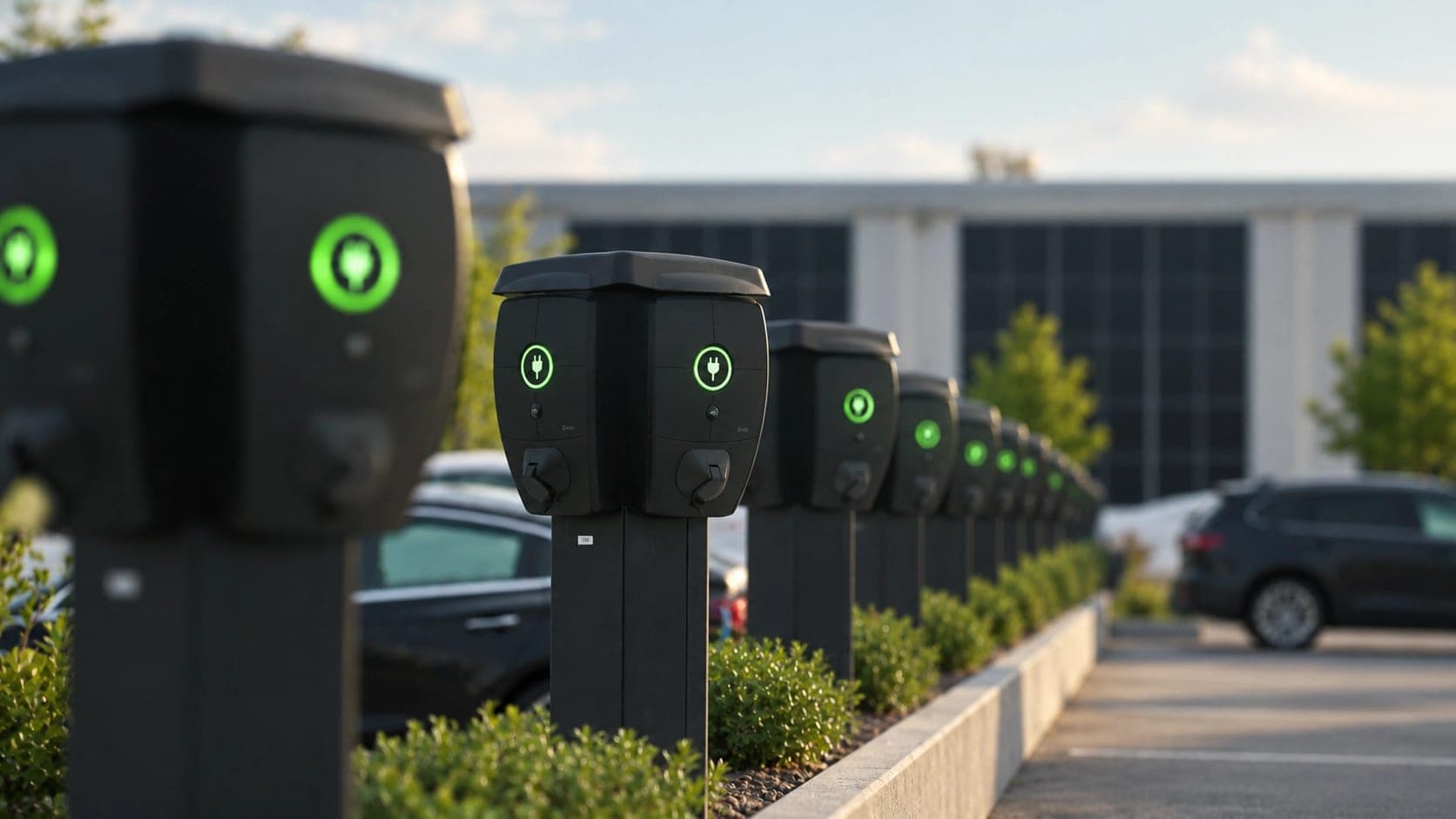
Oslo runs the most electrified car fleet of any large city on earth, and it does it mostly on plugs that would look ordinary on a suburban driveway. Statistics Norway counted 4,519 public charging points in the city at the end of 2025, and fewer than one in ten of them can deliver more than 300 kW. The rest sit where people already park.
Statistics Norway counts 4,519 public points in Oslo, and 3,532 are AC
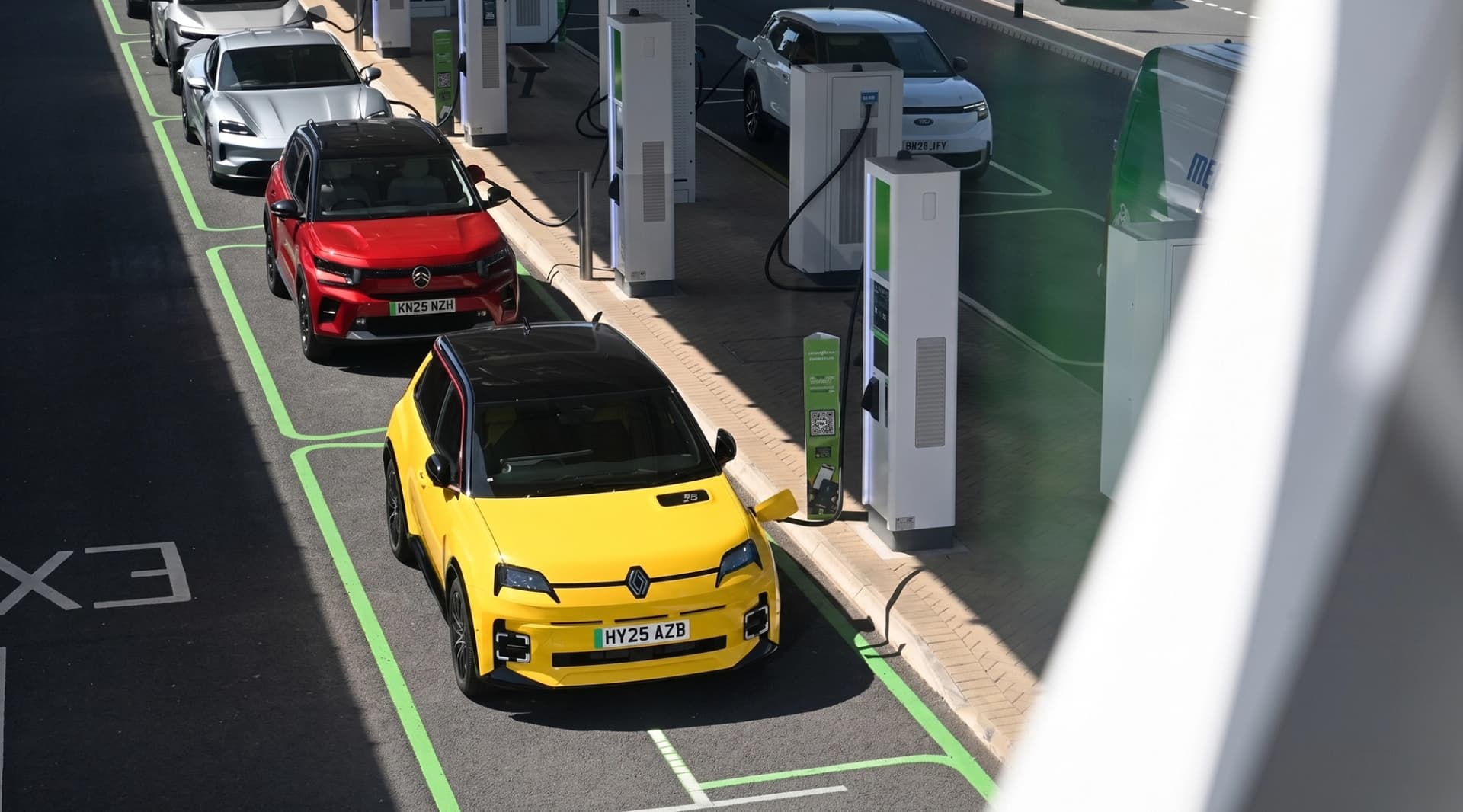
Of the 4,519 public charging points Oslo had at the end of 2025, 3,532 were rated between 3.6 and 43 kW, or 78% of the total. Another 611 delivered 50 to 250 kW, and just 376 sat above 300 kW. The city is not short of fast charging: close to a thousand points can manage 50 kW or better, which covers the taxis, vans, road trips and emergency top-ups that need it. They are simply the minority, and they are not what keeps the fleet moving.
A 6 kW plug adds roughly 200 km while the driver sleeps
The arithmetic explains why the slow stuff works. A modest 6 kW post left connected for six hours delivers 36 kWh, which at a realistic 18 kWh per 100 km is around 200 km of range added overnight. Very few people drive 200 km in a day. A 350 kW charger is faster by every measure that fits on a spec sheet, but it only helps a driver who goes to it, waits at it and pays for the privilege. Oslo's answer was to stop asking drivers to make that trip.
Oslo gave apartment residents the right to plug in back in 2020
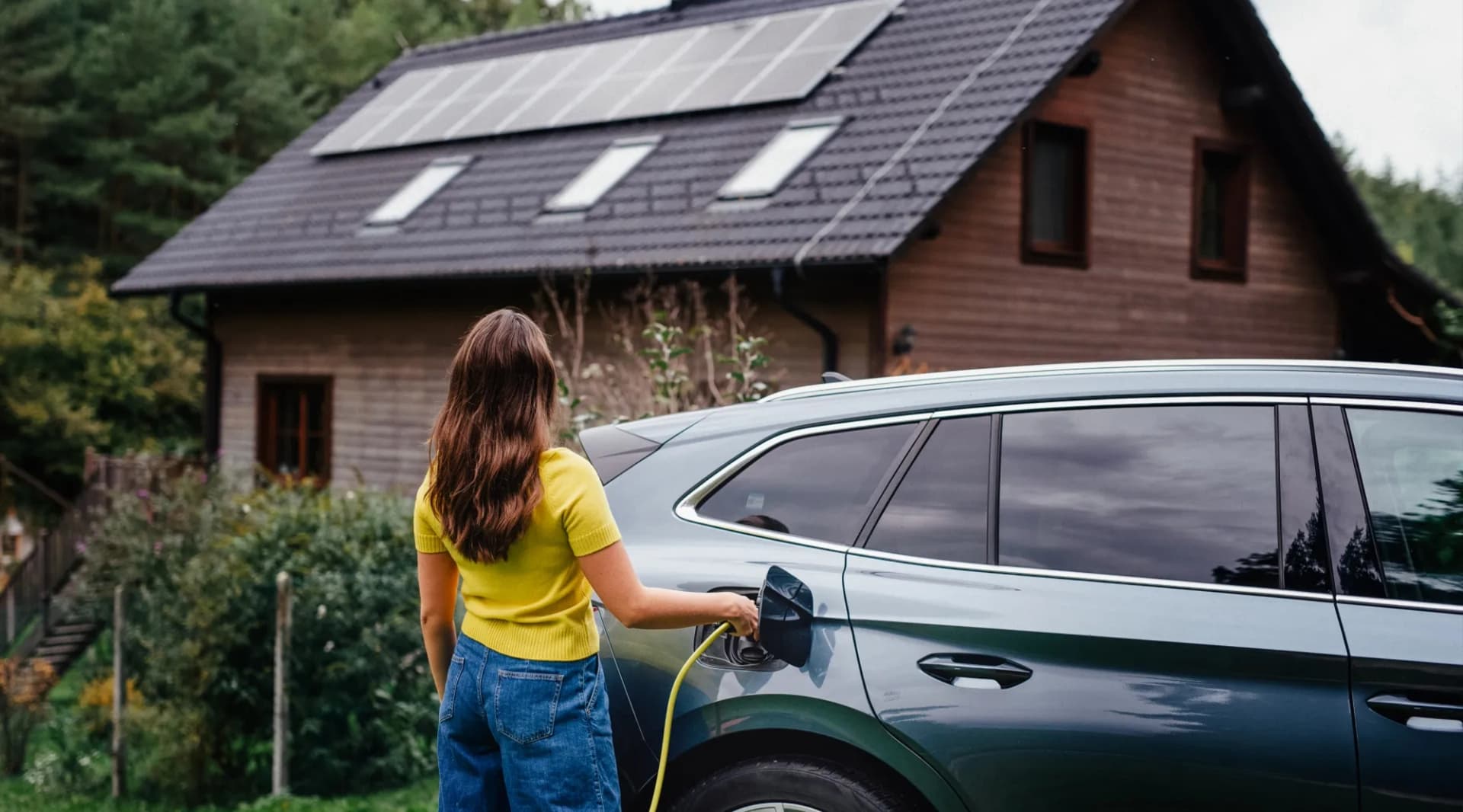
The thousands of kerbside AC posts are a policy outcome, not a market one. Since 2020 many residents of Oslo apartment buildings have held the legal right to install a charge point at their own parking space, which removes the single biggest barrier to EV ownership for anyone without a driveway. The city also drops its parking fees at public chargers overnight, so the cheapest place to leave a car is plugged into one. Charging stopped being an errand and became something that happens while the owner is asleep or at work. Norway's 96% new-car EV share is the result of that groundwork, not the cause of it.
AFIR orders 400 kW pools every 60 km, and says nothing about your street
European law has picked the opposite end of the same problem. Under the Alternative Fuels Infrastructure Regulation, member states had to provide a recharging pool of at least 400 kW, including one 150 kW point, every 60 km in each direction of travel along the TEN-T core network by 31 December 2025, rising to 600 kW and two 150 kW points by the end of 2027. AFIR's fleet target is technology-neutral, at 1.3 kW of public power output for every registered battery-electric car, so a kerbside AC post counts toward it. Only the motorway network gets a prescribed shape and a hard date.
All 27 member states missed the EPBD deadline of 29 May 2026
The European law that would reproduce what Oslo actually did is the recast Energy Performance of Buildings Directive. Its Article 14 obliges member states to strip out the regulatory barriers to home charging, including the landlord or co-owner consent that stops most flat-dwellers before they start, and to pre-cable at least half the parking spaces in new and heavily renovated residential buildings that have more than three of them. It had to be in national law by 29 May 2026. On 15 July the European Commission opened infringement proceedings against all 27 member states for failing to transpose the directive, giving each of them two months to reply.
AutoNext Take
Norway is not in the EU, which is the uncomfortable part of this. Oslo reached 48.8% electric without any of it being mandated from Brussels, and it got there by fixing the parking space rather than the motorway. Europe has spent two years arguing about 1,000-volt architectures and watching charging networks pass 10,000 sites, while the data from the one city that has finished the transition says the decisive piece of infrastructure is a 22 kW post outside an apartment block that nobody photographs.
Here is the test worth applying. AFIR's motorway pools have a date, a power figure and an enforcement mechanism behind them. The right to plug has a date that every single member state has already blown through. If European EV adoption stalls over the next three years, it will not be because there were too few 350 kW chargers on the E40. It will be because 48% of the EU population lives in a flat, 73% of city dwellers do, and most of them still cannot get a cable to their own parking space. The directive that was supposed to fix that is currently a letter sitting in 27 inboxes.