Porsche built five bespoke 911 GT3 Tourings for New Zealand, signed by its late founder
After a summer of billionaire one-offs, here is a bespoke Porsche with a heart
This has been a season of extravagant one-off supercars, most of them built to flex a fortune. Porsche New Zealand has just done something quieter and, frankly, lovelier. To mark 50 years of the brand in the country, it has commissioned five bespoke 911 GT3 Tourings, one for each decade, and every single one carries the etched signature of the man who started it all, and who is no longer here to see it. It is bespoke used to tell a story rather than to show off a bank balance.
What Porsche New Zealand built
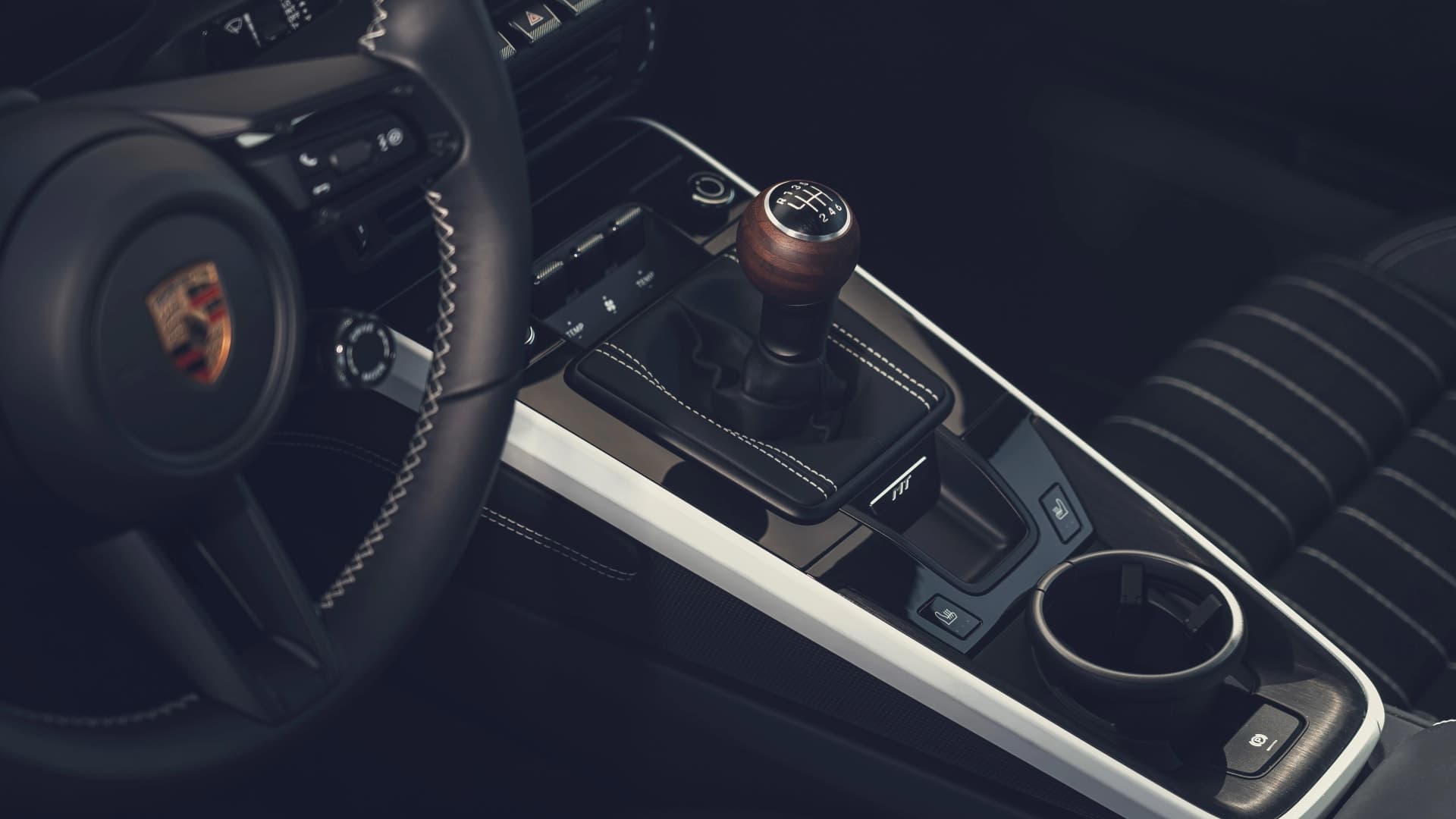
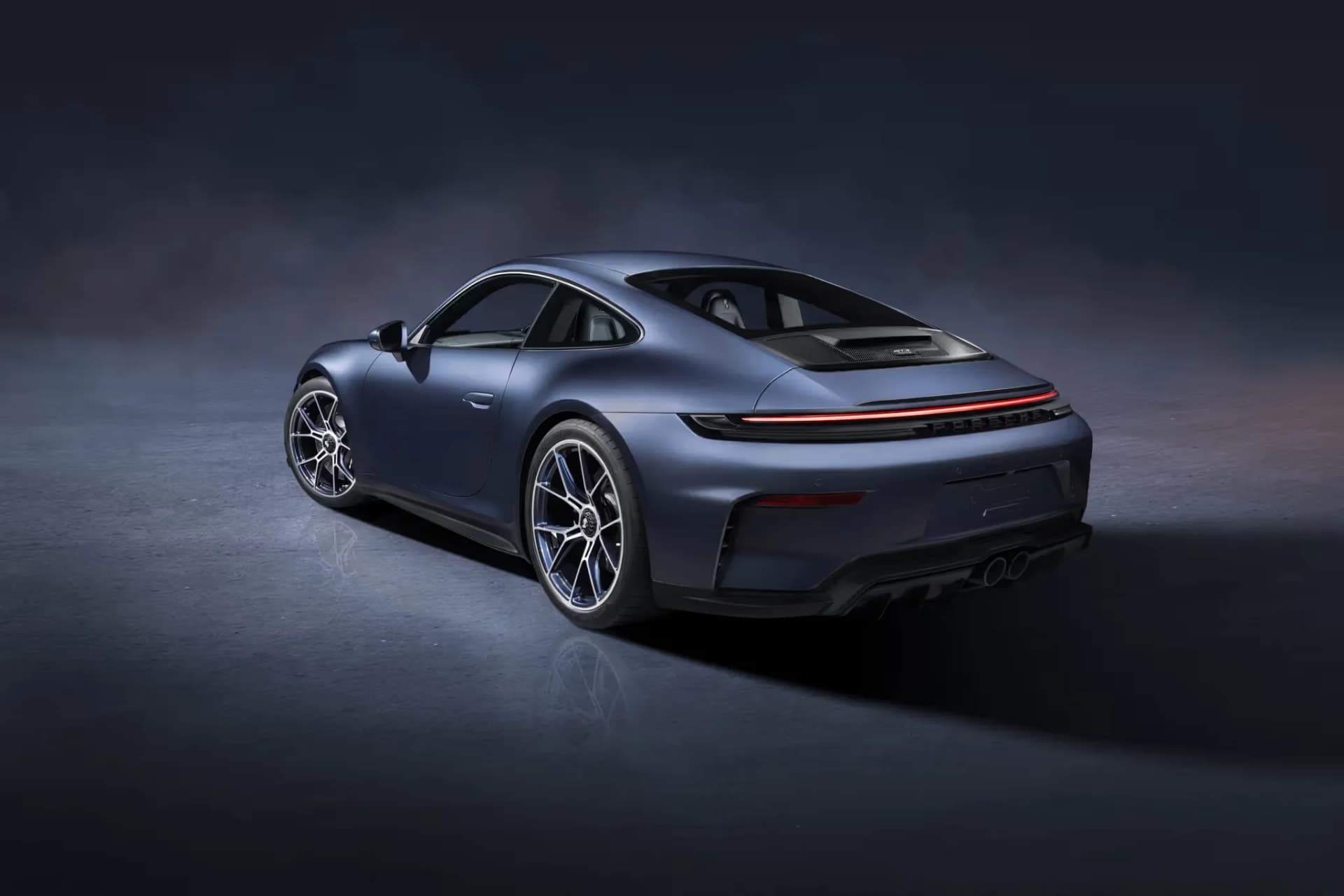
The choice of car is telling in itself: the 911 GT3 Touring, the wingless, manual, naturally aspirated version beloved by purists, with its roughly 510 hp flat-six sent through a six-speed manual. All five are finished in a Paint to Sample Yachting Blue Metallic, with woven blue Pepita cloth seat inserts, wheels painted in the body colour, 50 Years Porsche New Zealand embossed into the headrests and a set of personalised keys. They were created through Sonderwunsch, Porsche's factory bespoke department in Zuffenhausen, and prices start from 584,000 New Zealand dollars before on-road costs.
A late founder's signature, etched into every one
The detail that lifts this above a normal anniversary edition is on the passenger side of the dashboard: the etched signature of the late Sir Colin Giltrap. Porsche's New Zealand story began in 1959 when Giltrap bought a 356, and he went on to build the business that has represented the brand there ever since. Putting his signature into all five cars, one for each decade of the history he set in motion, turns them into a rolling memorial as much as a celebration. As Porsche New Zealand boss Greg Clarke put it, they wanted a car built for our roads and signed by the man who started it all.
Factory bespoke, the legitimate kind
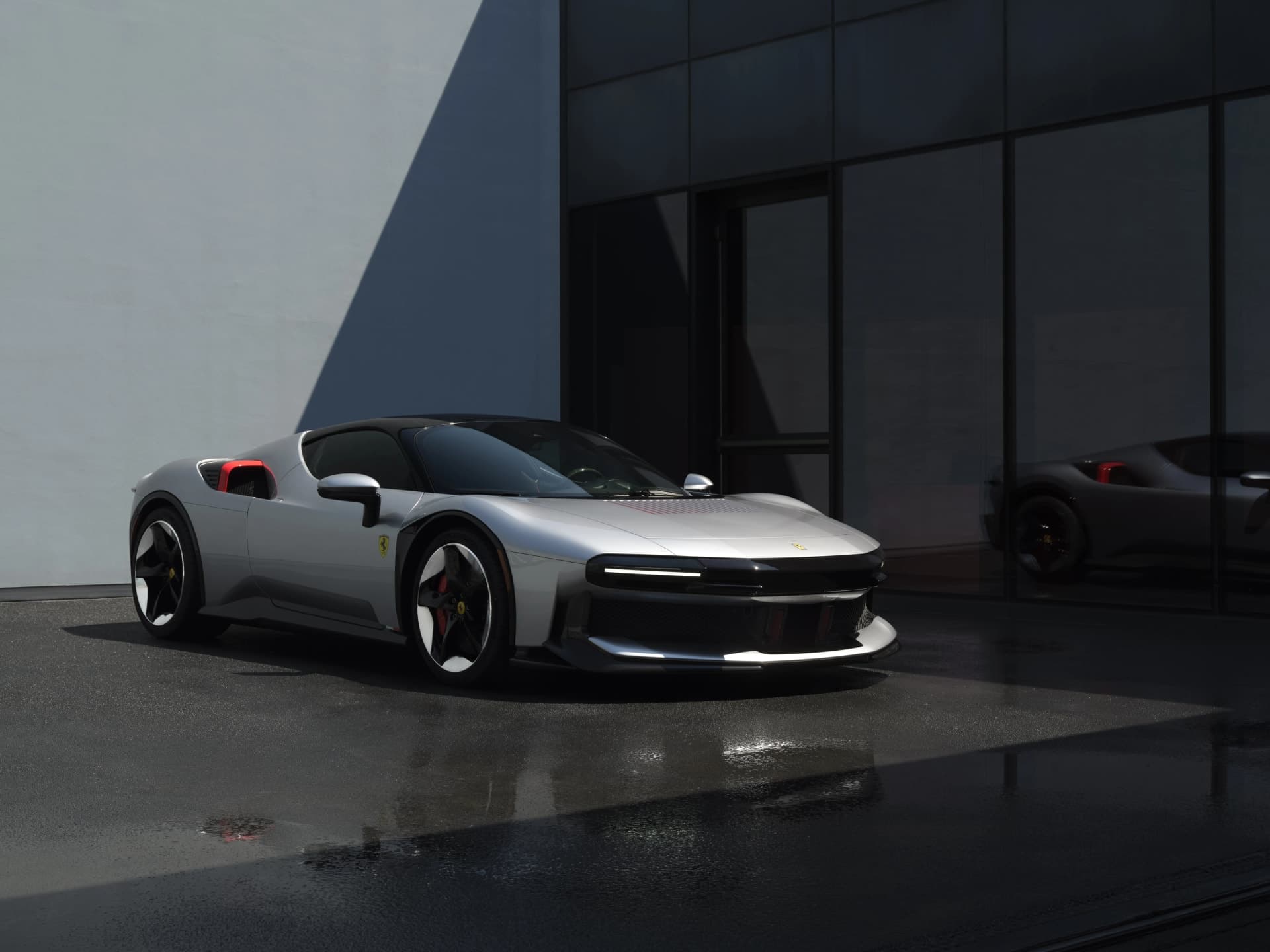
It matters that these came from Sonderwunsch rather than an aftermarket tuner. Like the Ferrari Special Projects programme behind the one-off CZ26 unveiled at Pebble Beach, Sonderwunsch is Porsche's own in-house bespoke department, so these cars are personalised within the brand's own language and to factory standards, not modified after the fact. What is different, and rather nice, is the purpose. Where most factory-bespoke work serves a single ultra-wealthy client, here the same machinery has been turned to celebrating an entire national market's half-century, the same instinct behind heritage projects like Bentley's 80 years of Crewe craftsmanship. It is the democratic end of an exclusive idea.
The manual GT3 as the purist's last refuge
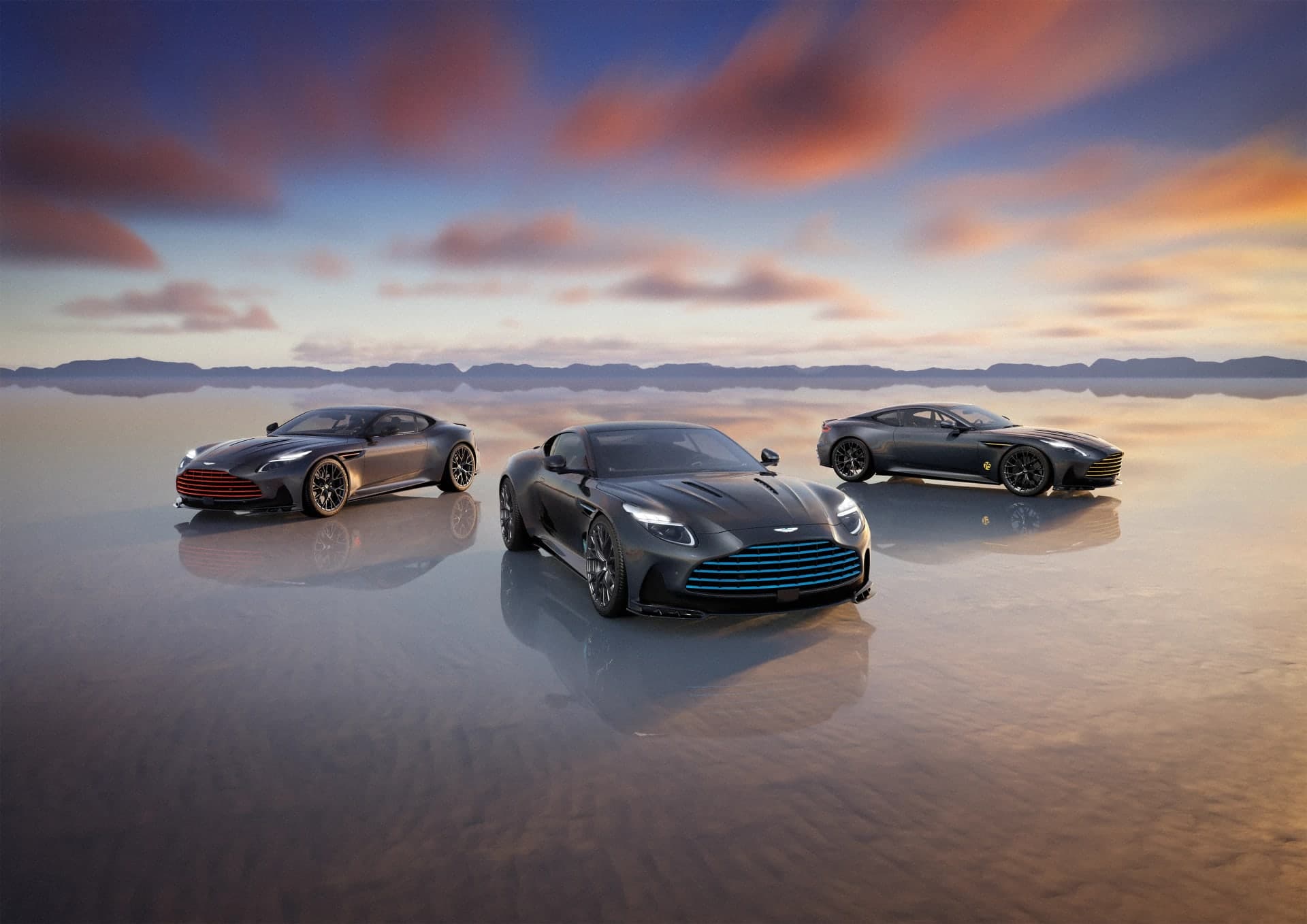
The choice of a manual, wingless GT3 Touring is not incidental either. As we noted when Porsche restricted the manual 911 Carrera S to North America, the three-pedal 911 is increasingly becoming a rarefied, special-order thing rather than an everyday option, a driver's choice you now often have to reach a GT3 to get. That a small market at the far end of the world chose exactly this car, the most involving, least ostentatious 911 there is, to mark its proudest anniversary says something about what these buyers value. Not the loudest car, not the fastest, but the one you actually drive, made personal, the same spirit as the year's most thoughtful bespoke work, from Aston Martin's understated Le Mans tribute onward.
AutoNext Take
It would be easy for a European outlet to skip a five-car special from a market as small and far away as New Zealand. That would be a shame, because in a season drowning in bespoke supercars built mainly to advertise wealth, this is one of the few that actually means something. It has a clear idea, one car per decade, and a genuine reason to exist beyond exclusivity for its own sake.
And it lands on the details that money cannot really buy: a founder's signature, etched into the cars celebrating the story he began, in the most driver-focused 911 Porsche makes. It will never trend like a Mansory Bugatti or a Pebble Beach one-off, and it does not need to. Sometimes the best use of bespoke is not to show how much you can spend, but to say thank you, and to remember someone. This does both. Well played, New Zealand.