Russia now registers nearly as many new Rolls-Royces as Germany
Four years of export bans have not slowed Russia's appetite for Lamborghini and Rolls-Royce
Russians registered 500 new luxury cars in the first eight months of 2026, according to the analytics agency Autostat. That is 11.6% more than a year earlier and the eighth month of growth in a row. None of the brands involved has an official dealer network in Russia. Rolls-Royce reached 156 cars and Lamborghini 141, while German registrations of both brands fell over the same months.
Rolls-Royce registered 156 new cars in Russia and 197 in Germany
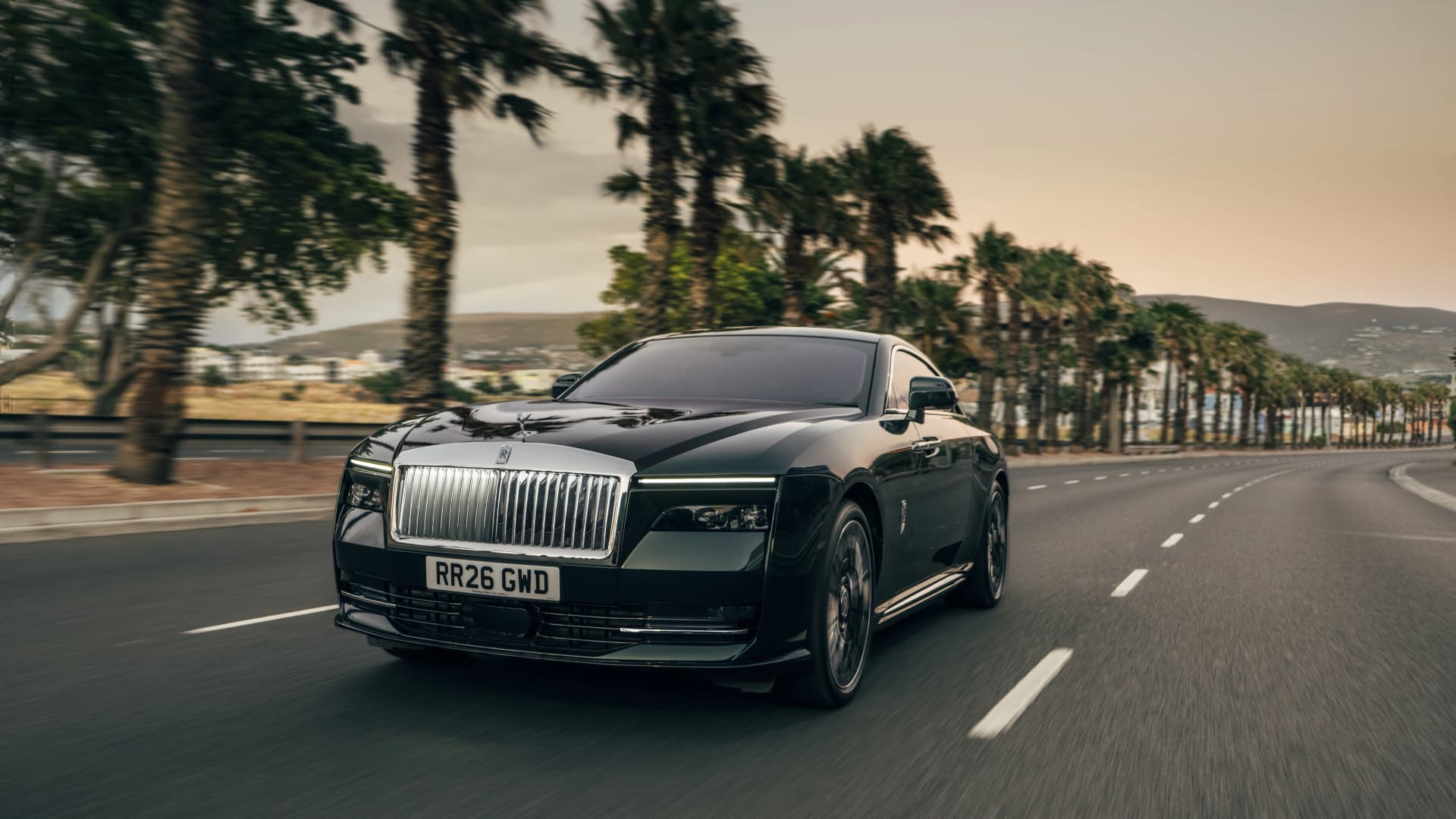
Rolls-Royce's Russian total from January to August is 156 cars, up from 146 a year earlier. Germany's Federal Motor Transport Authority, the KBA, counts 197 new Rolls-Royces over the same eight months, down from 231. A market without a single official showroom is running at 79% of Germany's volume, and the two are moving in opposite directions: up 7% in Russia, down 15% in Germany.
The Cullinan accounts for 115 of Russia's 156 new Rolls-Royces
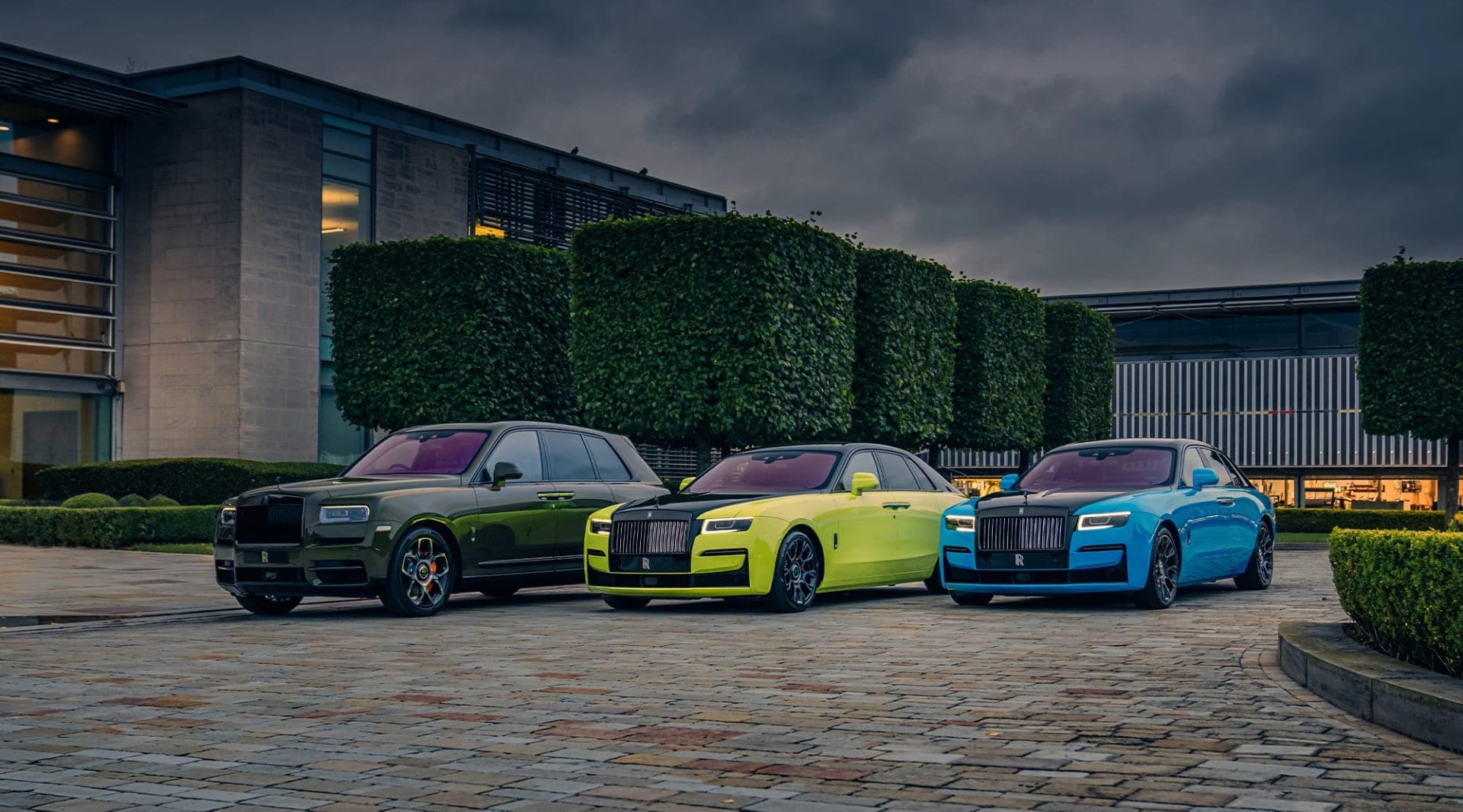
The Cullinan SUV makes up 115 of those 156 registrations, almost three in four. The electric Spectre follows with 24, then the Ghost with nine and the Phantom with eight. The pattern held in 2025, when the Cullinan was Russia's best-selling new luxury model with 156 registrations and Rolls-Royce led the segment with 225 cars for the year. In August alone, the Cullinan tied with the Lamborghini Urus on 13 each.
Lamborghini needs 34 more Russian registrations to beat its 2021 record
Lamborghini registered 141 new cars in Russia from January to August, 48% more than the 95 of a year earlier. Its Russian record is 174, set in 2021, the last full year before the invasion of Ukraine. At this year's average of almost 18 a month, two more months will do it. In Germany, Lamborghini registrations fell 7% over the same period, from 922 to 860.
Moscow takes 108 of Russia's 141 new Lamborghinis
Moscow and its surrounding region account for 108 of those Lamborghinis, and St Petersburg for nine. The Urus dominates with 114 cars, followed by the Revuelto with 18, the Huracán with eight and the Temerario with one. That makes the Urus 81% of Lamborghini's Russian registrations, against 58% in Germany, where the KBA counts 498 out of 860.
The EU banned exports of cars above €50,000 to Russia in March 2022
The European Union banned the export of cars worth more than €50,000 to Russia on 15 March 2022, in its fourth sanctions package, and the manufacturers stopped supplying the country that month. Russia answered by legalising parallel imports: new cars bought abroad and brought in by independent traders, usually through third countries. Autostat says this channel now supplies most of the Russian luxury market.
AutoNext Take
Sanctions have changed who delivers these cars to Russia, not whether they arrive. The Russian luxury market is 11.6% larger than a year ago, while German registrations of Rolls-Royce, Lamborghini and Bentley all fell, Bentley's by 24% to 304. What the export ban does control is timing. The Temerario, delivered in Europe since 2025, has reached Russia once; the Urus, on sale since 2018, accounts for 114. Parallel imports work best for cars the rest of the world has had for years.
Lamborghini should pass its 2021 total of 174 before the year ends, and Autostat's full-year figures in January 2027 will confirm it. Those owners get the car without the rest of the package: no official dealer, no factory service network and no relationship with the brand in Russia. It is a sales record set entirely outside Lamborghini's control.