Toyota's 2028 hydrogen Hilux promises 400 km, its prototype did 600
Toyota's hydrogen Hilux targets 400 km where its prototype claimed 600
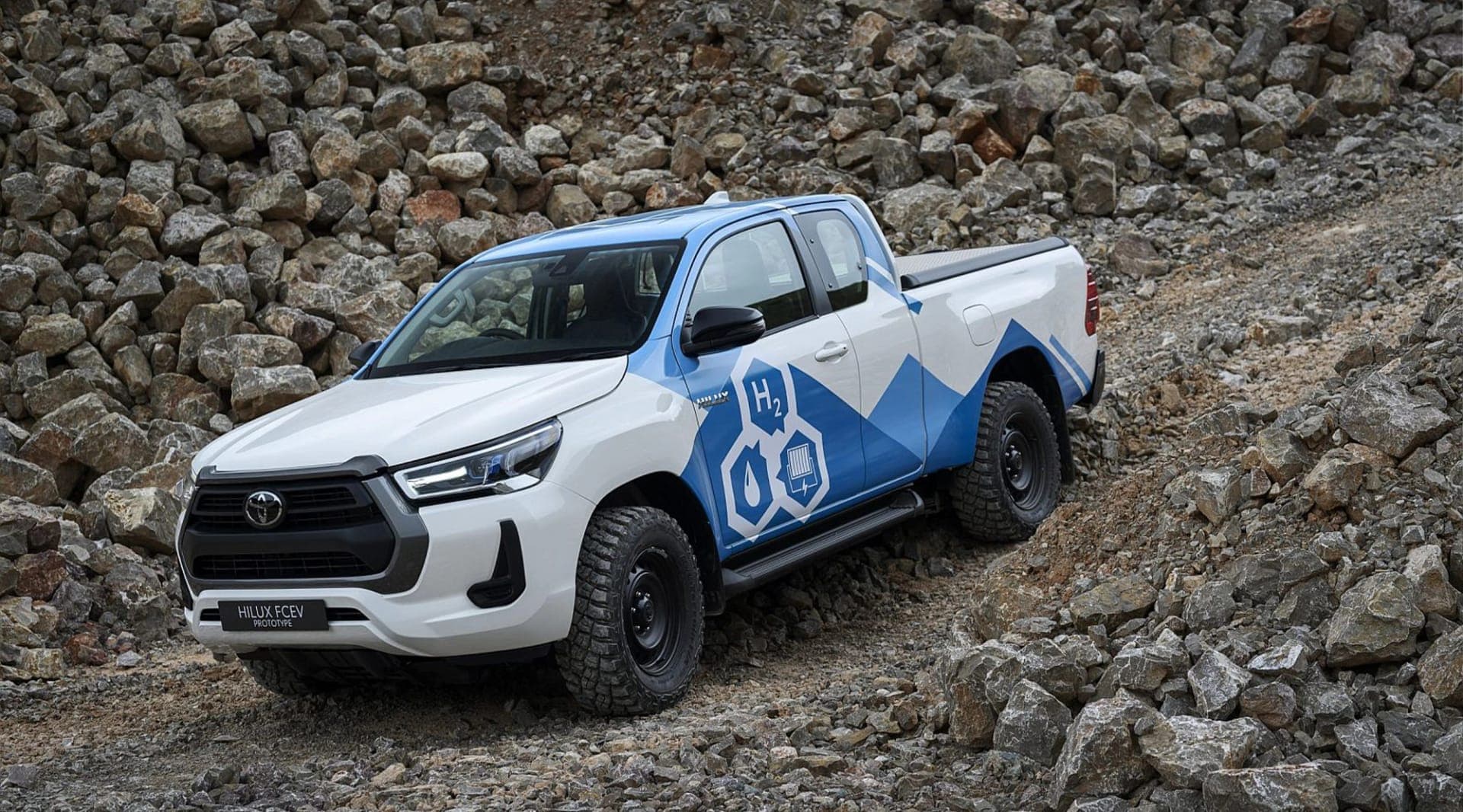
Toyota confirmed on 14 September at IAA Transportation in Hannover that a fuel cell Hilux goes into production in 2028, with a WLTP range of more than 400 km and a towing limit of 2,500 kg. Those are the first numbers Toyota has attached to the car since it named the year in November 2025. The ten prototypes it built in Derby three years ago promised 600 km, and Toyota has not explained the gap.
Hilux FCEV: production in 2028, 400 km WLTP, 2,500 kg towing, no price
The confirmation sits inside Toyota Professional's briefing at the show and is thin by design: range and towing are described as targets, not final data, with no tank capacity, power, payload or launch order. What Toyota did say is that the Hilux will offer more powertrain choices than any other Toyota on sale once the fuel cell version arrives, from a company whose chief executive said in June that it has too many models. It joins the 2.8 Hybrid 48V diesel that carries Western Europe, the pure combustion engines kept for Eastern Europe and the Hilux BEV on sale since April. Toyota's Dutch importer has already confirmed the hydrogen Hilux for the Netherlands.
The Burnaston prototypes carried 7.8 kg of hydrogen for 600 km
The production targets read as a step back from the car Toyota showed in September 2023. Toyota Manufacturing UK built ten fuel cell Hilux prototypes at Burnaston, near Derby, with Ricardo, ETL, D2H and Thatcham Research and UK government funding through the Advanced Propulsion Centre. Each carried the Mirai's fuel cell stack and three high-pressure tanks of 2.6 kg apiece, 7.8 kg in total, for a claimed range of more than 600 km. A production Hilux that promises 400 km is either carrying less hydrogen or being measured on WLTP for the first time, and Toyota has said neither.
Toyota's third-generation fuel cell doubles durability and adds 20% range
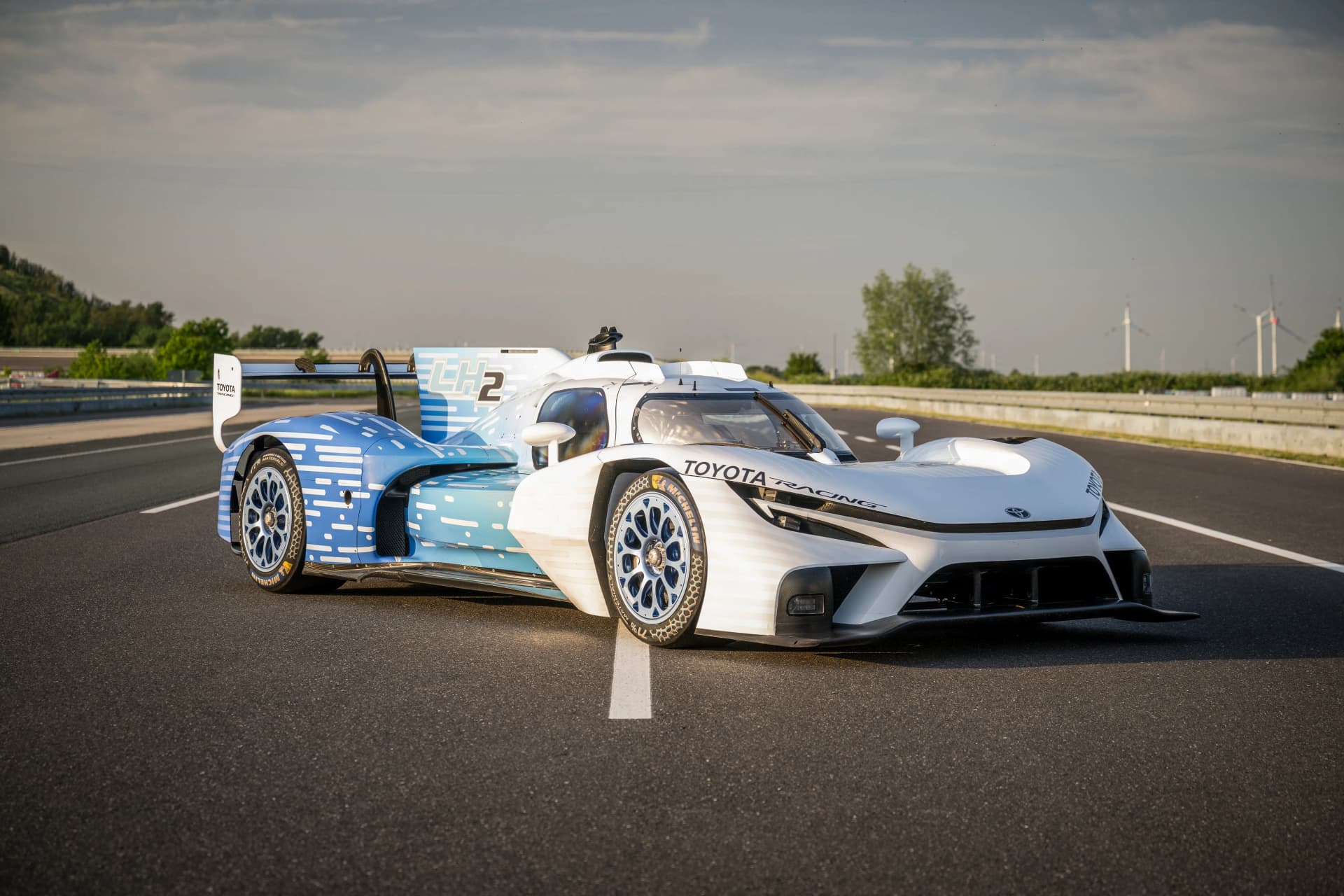
The 2028 date follows the stack, not the pick-up. Toyota announced its third-generation fuel cell system in February 2025 with twice the durability of the current unit, which it says now matches a diesel engine, 20 percent more range from the same hydrogen and a lower cost, for Europe and its other main markets 'after 2026 at the earliest'. On the same day in Hannover, Toyota and Iveco said the S-eWay Fuel Cell truck will run that system to more than 900 km and a 25,000-hour life target, with road tests in the first half of 2027. The Hilux is the passenger-sized product of a truck programme, and its timing is the trucks' timing.
Europe has 179 public hydrogen stations, and Germany is closing car pumps
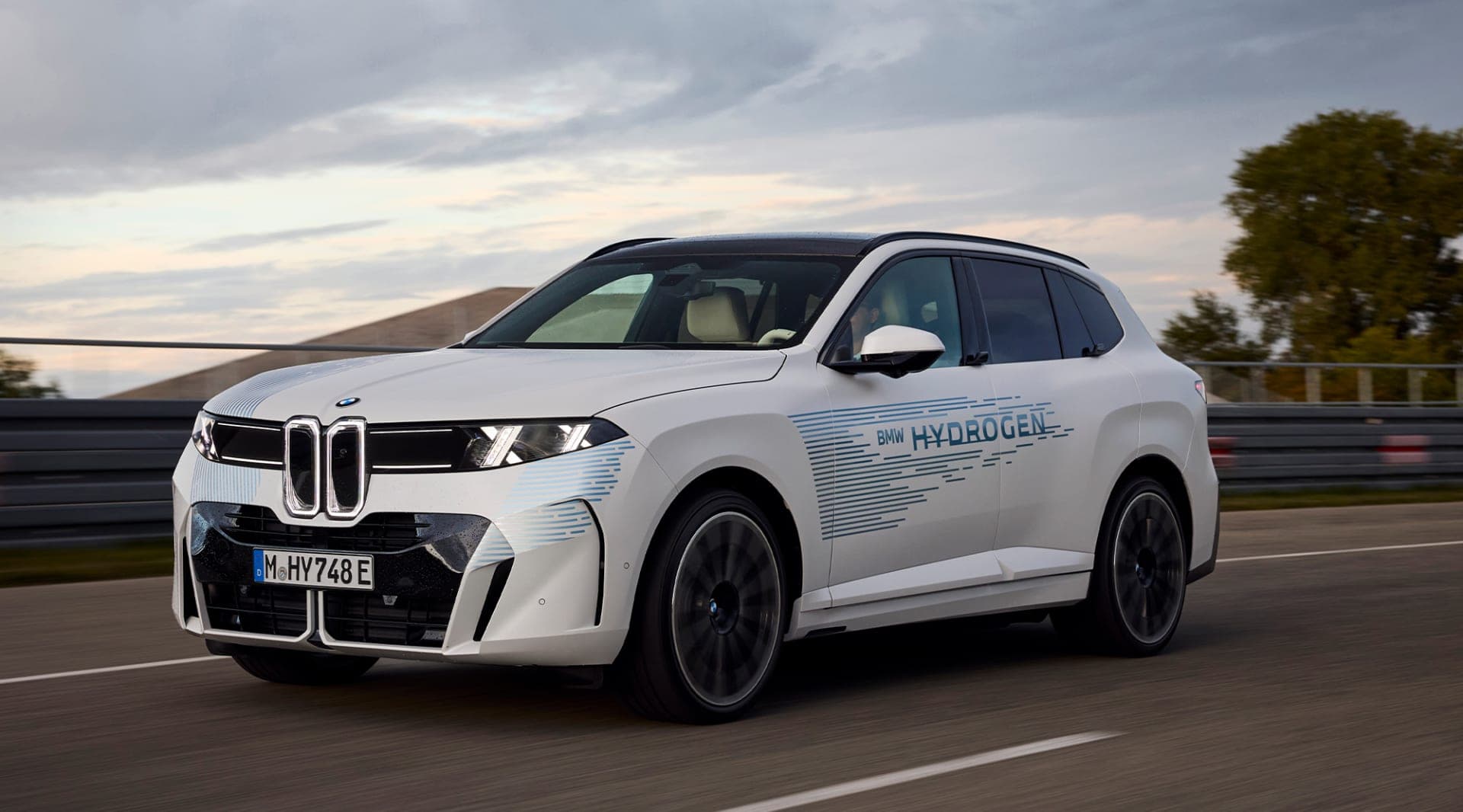
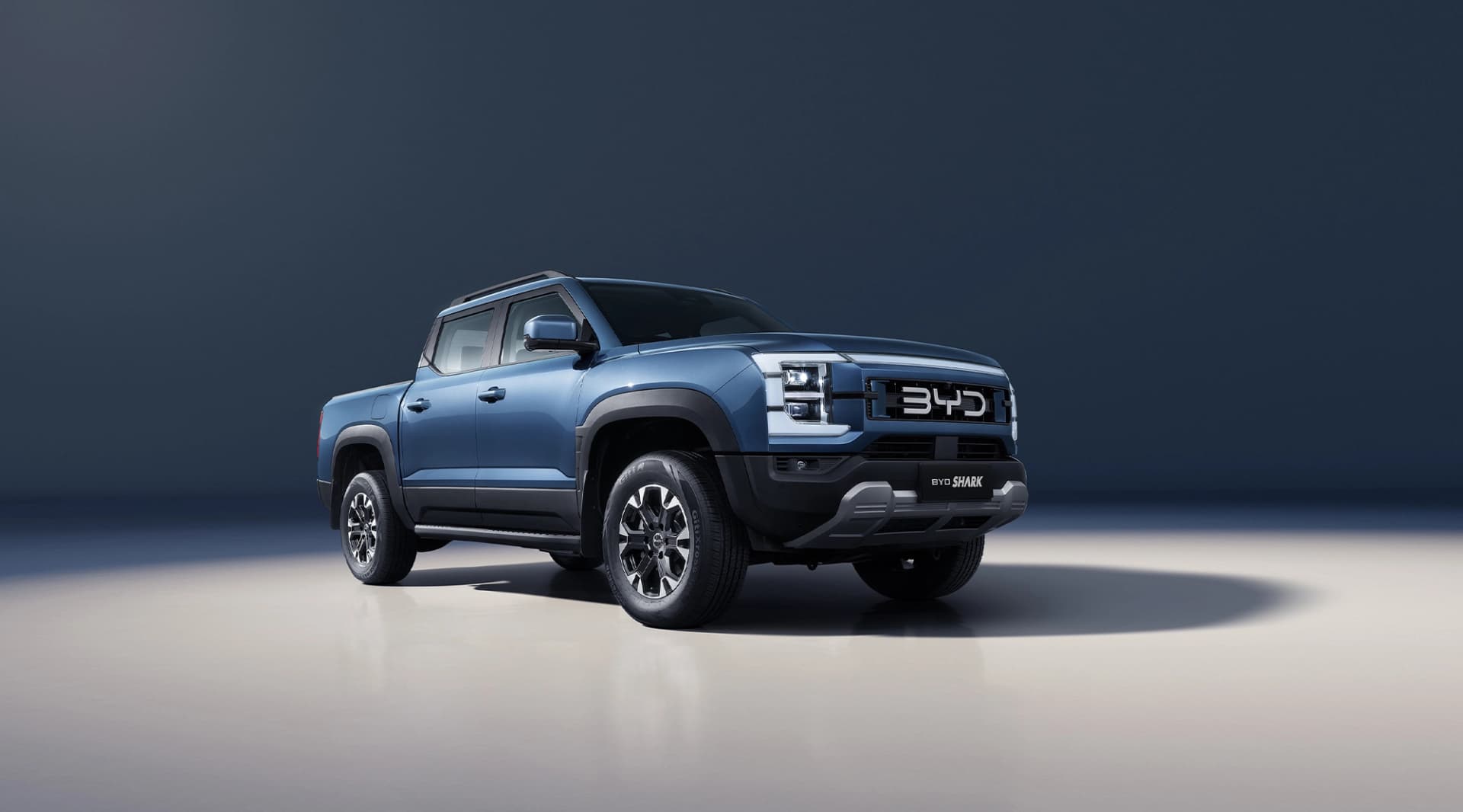
The European Hydrogen Observatory's May 2026 dataset lists 179 publicly accessible hydrogen stations in Europe, 160 of them with a 700-bar dispenser a car can use. The Netherlands has 25, Belgium 8. Germany's H2 Mobility, which built the passenger-car network, closed 22 stations in the first half of 2025 and is converting the rest into 350-bar sites for trucks and buses. The prototype Hilux ran the Mirai's 700-bar tanks, and Toyota has not said whether the production car keeps them, which settles whether a Hilux FCEV refuels beside a Mirai or beside a truck. BMW's hydrogen iX5, due in 2028 as well, faces the same network. The towing figure is easier to place: the diesel Hilux pulls 3,500 kg, the Hilux BEV 1,600 kg on a 257 km range, and BYD's Shark plug-in hybrid pick-up matches the hydrogen Hilux at 2,500 kg.
Toyota Professional targets 200,000 vans and pick-ups a year in Europe by 2030
The Hilux FCEV was announced inside a sales plan. Toyota Professional expects more than 165,000 light commercial vehicles in Europe in 2026, a share above 7 percent, and targets 200,000 a year and 8 percent by 2030, after doubling both in five years. Battery-electric models are already 22 percent of those sales against a market average Toyota puts at about 11 percent; in the Netherlands the figure is 94 percent. Till Conrad, Toyota Motor Europe's executive vice president for sales, supplied the caveat himself: 'Scale alone is not success. If quality does not follow this pace, it's just a number.' The hydrogen Hilux is the one part of that plan with no volume attached.
AutoNext Take
Toyota has not said what pressure the production Hilux's tanks run at, and that one line decides the car. At 700 bar it refuels at the 160 European stations a Mirai can use today, on a network Germany's main operator has been shrinking since early 2025. At 350 bar it becomes a truck-network vehicle, which suits a 25,000-hour stack shared with Iveco and explains a 400 km target a third below the prototype's 600. Either way, a three-year-old prototype carrying 7.8 kg of hydrogen is the better car on paper than the one Toyota just confirmed.
Toyota Professional's own figures say why the car exists. Battery power is already 22 percent of its European van and pick-up sales, and the Hilux BEV covers every fleet that never tows more than 1,600 kg or drives past 257 km in a day. The fuel cell Hilux is for the fleets that do, and Toyota has put no number on how many there are while committing to 200,000 vehicles a year by 2030. Toyota owes the car a tank pressure and a volume target before the Hilux BEV has been on sale a year, in April 2027; without them, the Hilux FCEV is a Dutch fleet vehicle with a European press release.
Follow us on Google News.
Set AutoNext as your preferred source on Google Discover.