Audi's most efficient A2 e-tron is not the one with 646 km
Ingolstadt spent 20 years getting back to an idea it abandoned in 2005
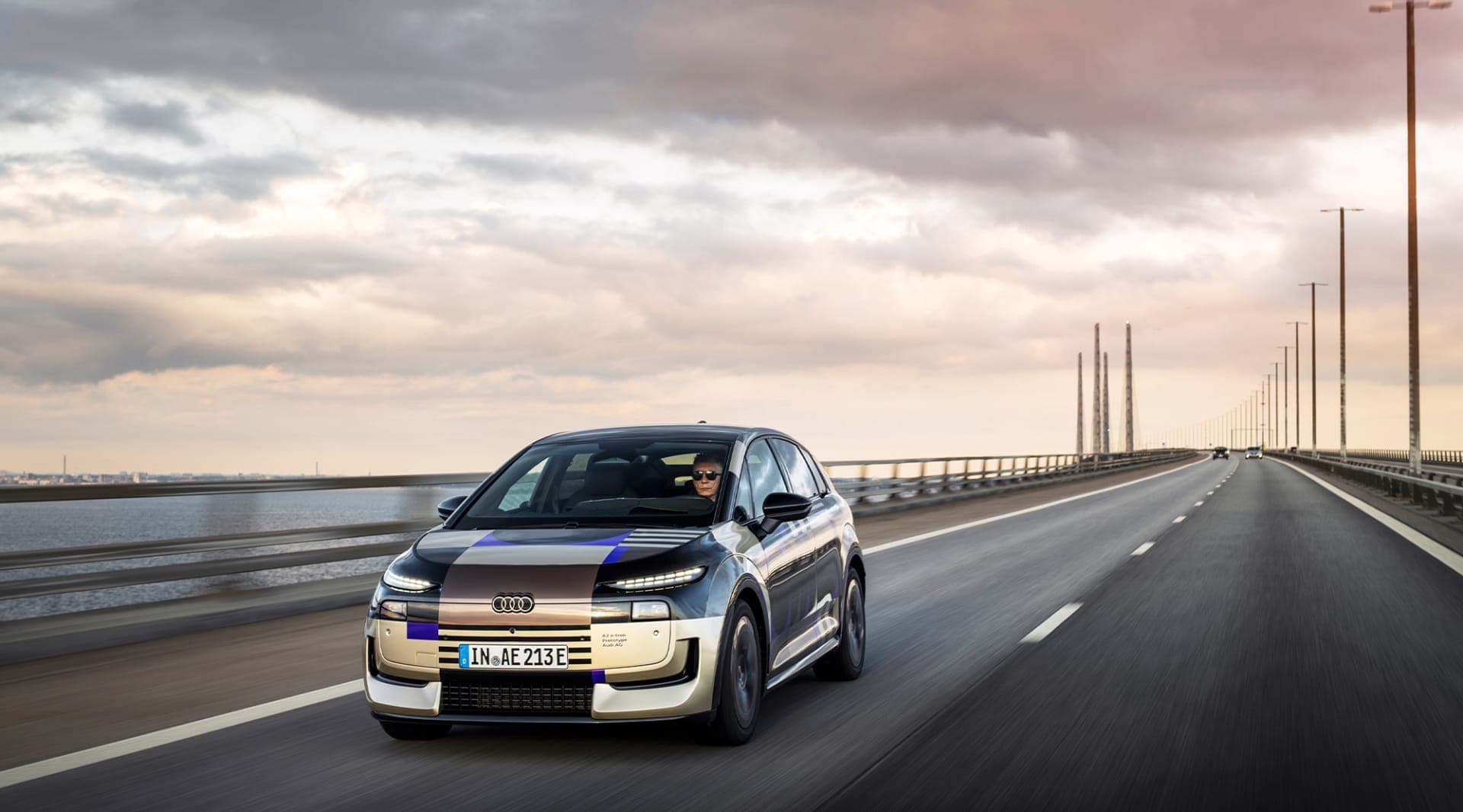
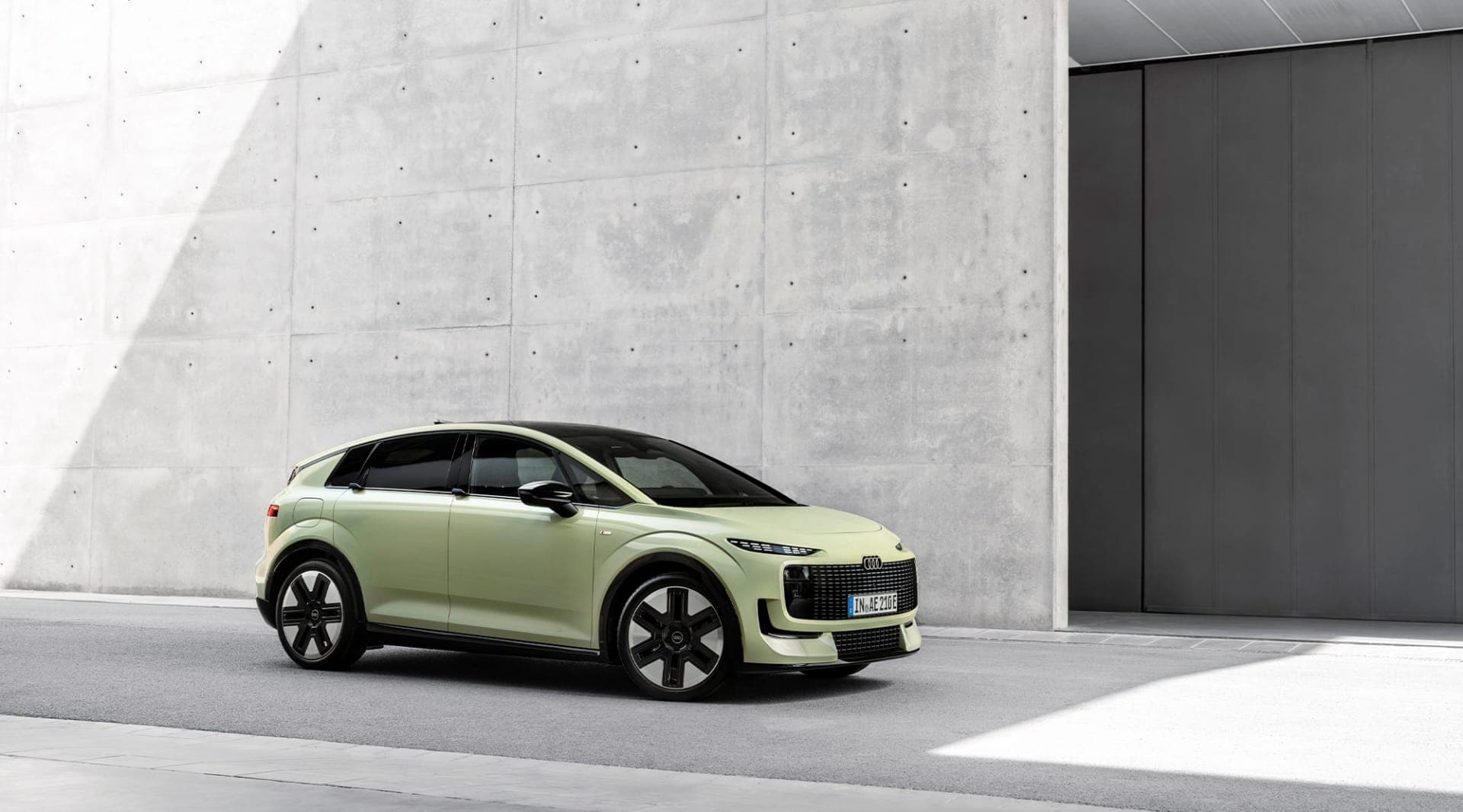
Audi has revealed the production A2 e-tron, a 4.32-metre electric hatchback that brings back a name the brand dropped in 2005. There are three battery sizes, four power outputs from 170 to 326 hp, rear-wheel drive on every version and a claimed 646 km of WLTP range at the top of the range. First deliveries are set for December 2026, with British order books opening next month.
Three batteries at 52, 61 and 84 kWh, and rear-wheel drive throughout
Audi is offering the A2 e-tron with 52, 61 and 84 kWh gross battery packs. The two smaller ones use lithium iron phosphate cells in a cell-to-pack layout, while the 84 kWh unit is a conventional NMC pack reserved for the two more powerful cars. Range runs from 423 km on the 170 hp entry version to 646 km on the 231 hp one, with the 326 hp flagship falling back to 630 km. Every version drives the rear wheels through a permanent-magnet motor, because the A2 uses the older MEB platform, so there is no quattro variant and Audi's next quattro is software anyway.
The 12.8 kWh record belongs to the 190 hp car, the 646 km to the 231 hp one
The two figures Audi is leading with come from different cars. The consumption record of 12.8 kWh per 100 km, which Audi previewed in August, belongs to the 190 hp version with the 61 kWh LFP pack and the efficiency package, and that car is rated at 515 km. The 646 km headline comes from the 231 hp car and its larger NMC battery, a heavier and more expensive route to a longer range. Both numbers are true. They are not the same A2.
183 kW peak charging, and the smaller packs still refill faster
Peak DC charging is 183 kW, and only the 84 kWh battery reaches it. The LFP packs cap out at 100 and 105 kW, which reads like the worse deal until you look at the clock: 10 to 80 percent takes about 24 minutes on the LFP cars and 29 minutes on the 84 kWh version. Bidirectional charging is standard, and in Germany, Austria and Switzerland the A2 can feed a house through a suitable DC wallbox rather than only powering tools and appliances.
A steel body, where the 1999 A2 used an aluminium space frame
The original A2 was built around an aluminium space frame, which is a large part of why it cost too much and why Audi retired it after six years. This one is mostly steel, and the efficiency comes from shape rather than material: a drag coefficient of 0.24, a nearly enclosed underbody, an active cooling intake, aero wheels, gap reducers around the arches and sensor-operated wing door handles that release the door electrically.
396 litres of boot on the Q4 e-tron's 2,770 mm wheelbase
The A2 e-tron shares its 2,770 mm wheelbase with the Q4 e-tron but carries 396 litres of boot space against the Q4's 520. It still beats the VW ID.3 at 385 litres and the Volvo EX30 at 318, and the two big-battery versions add a small front boot. The gear selector has moved to the steering column, the Fidlock magnetic mounting system makes its production debut on the cupholders and cable bags, and the cheaper front-drive MEB+ architecture stays reserved for cars like the VW ID. Polo.
AutoNext Take
The number that will decide this car is 515, not 646. Audi's efficiency record belongs to the middle version, the 190 hp car with the 61 kWh LFP pack, and the range opens at £32,200 in the UK, or £30,700 once the Electric Car Grant applies, and at €38,200 on Audi's German list. The 84 kWh cars buy their extra 131 km with a heavier NMC pack and higher consumption, which is exactly the trade the 1999 A2 was designed to refuse.
So Audi has built a car whose whole argument is that you should not need a big battery, then put its longest range on the biggest one. The 12.8 kWh per 100 km claim is still Audi's own WLTP number, and nobody outside Ingolstadt has measured it. If independent testing lands near it, the 61 kWh A2 is the most interesting compact EV Europe gets in 2027. If it does not, this is another MEB hatchback wearing a famous badge, and the aluminium car it is named after stays the more radical one.