The EU wants your car to brake itself if you speed, and we're really not keen
Handing control of the brakes to Brussels is a line we'd rather not cross
Here is a headline to spoil any driving enthusiast's morning. The European Commission is reportedly looking into technology that would make new cars automatically brake when they go over the speed limit, potentially from 2030. To be clear, this is an early-stage idea rather than a done deal, but the direction of travel alone has us concerned.
What is actually being proposed
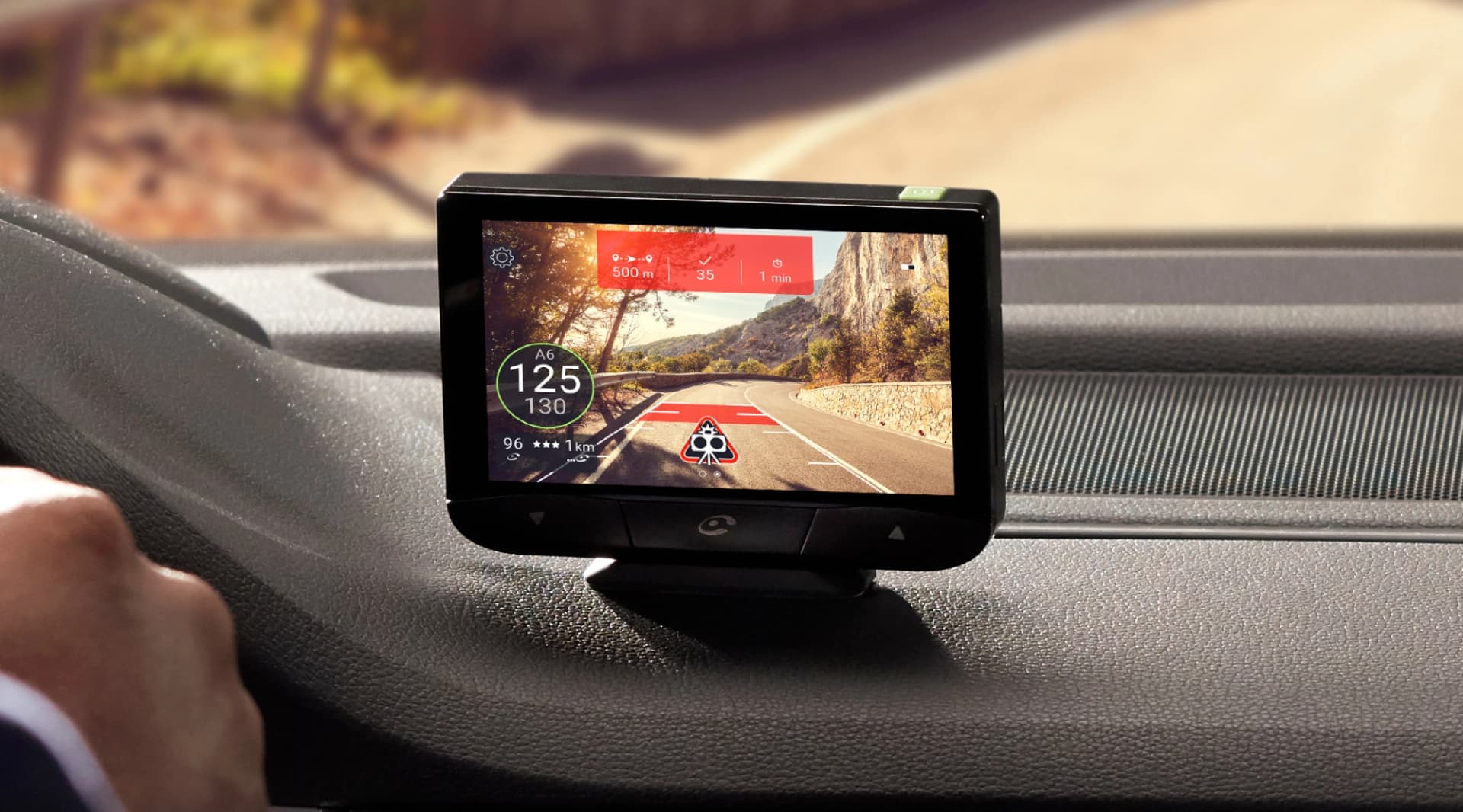
According to reports, the European Commission is investigating whether new cars sold from 2030 could be fitted with technology that intervenes automatically when a driver exceeds the speed limit. The system would use a combination of traffic-sign recognition and GPS data to work out the limit for a given road, then act if the car goes faster. That is the crucial leap: instead of simply warning you, as cars do now, it would physically step in.
A big step beyond today's rules
New cars in Europe already have to include Intelligent Speed Assistance, but for now that system only warns you, and drivers are free to ignore or switch it off. The reality is that huge numbers of people do exactly that, disabling the beeps the moment they get in, and many manufacturers helpfully build in a quick-off button. An automatic braking version would be far harder to escape, which is precisely why it is so contentious.
It's only a proposal, and a tricky one
It is worth stressing that this is still exploratory. The Commission is holding early discussions with the car industry and assessing whether it is even technically feasible, and no final decision has been made. The obstacles are significant: for a system like this to be safe it would have to be effectively waterproof, yet Europe's endlessly varied roads, inconsistent signage and mapping errors make reliable limit-reading genuinely hard. A car braking when it wrongly thinks you are speeding could be dangerous in itself.
AutoNext Take
We will be honest: we do not like the sound of this at all. Nobody sensible is against road safety, but there is a world of difference between a car that warns you and a car that overrides you, and handing a computer the authority to brake against your will feels like a step too far. The technology also has to be flawless to be safe, and as anyone who has watched their car misread a speed sign knows, we are nowhere near that. There are moments, overtaking, merging, getting out of trouble, when a brief burst of speed is the safe choice, not the dangerous one. For now this is only a proposal, and we would strongly urge Brussels to think very hard before turning driver aids into driver overrides. We would rather keep our beloved cars, and the responsibility that comes with them, in our own hands.
It lands on top of other pressures on drivers, from higher Belgian traffic fines to the wave of rear-seat thefts in France. If anything, it makes us cherish pure, analogue driving even more, the kind celebrated by cars like the road-legal Ariel Atom 4RR.