Renault's Trafic E-Tech won Van of the Year without a WLTP number
Renault's sixth Van of the Year went to a Trafic nobody has homologated
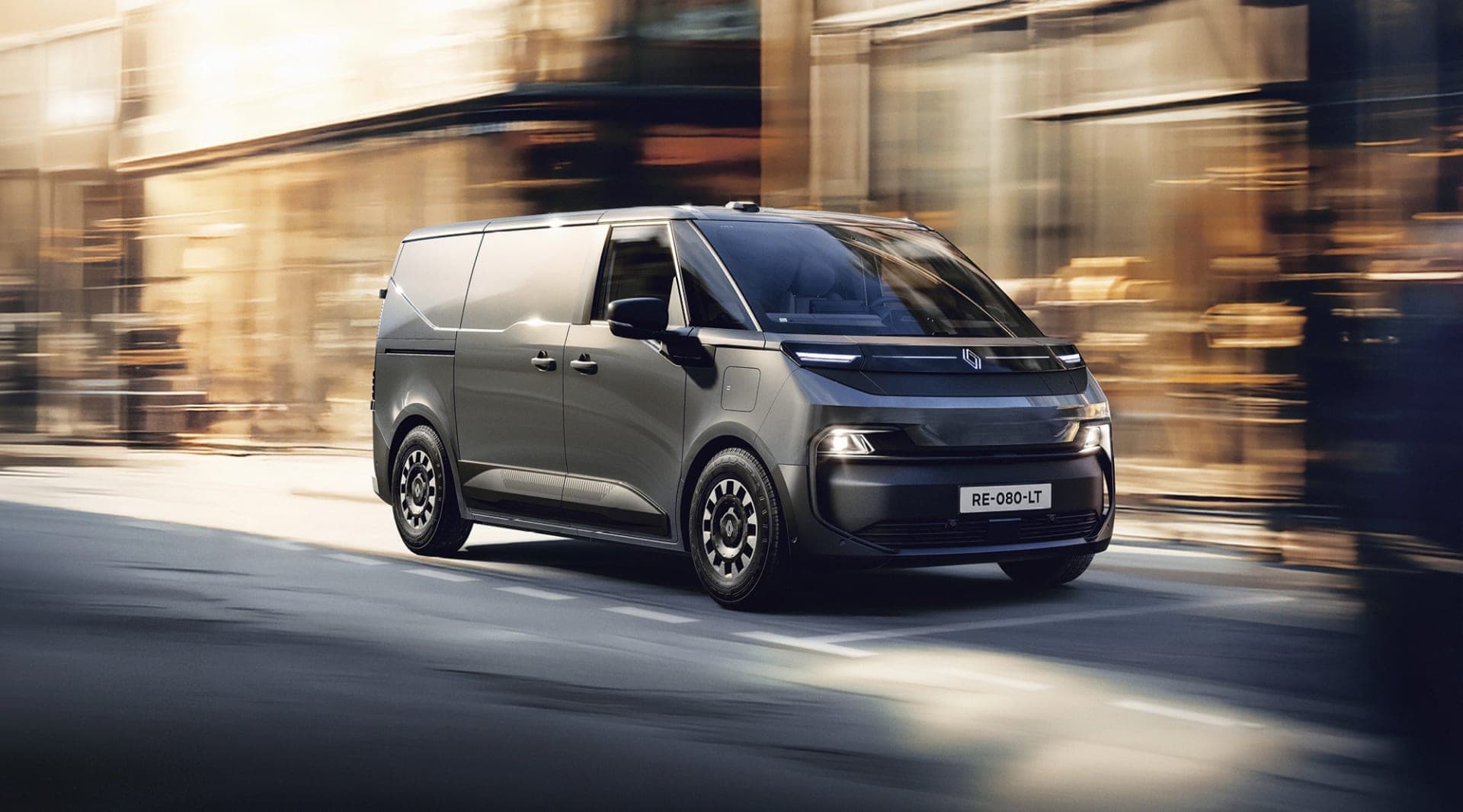
The new Renault Trafic Van E-Tech electric is International Van of the Year 2027, chosen by a unanimous vote of 26 jurors from 26 European countries at IAA Transportation in Hannover. Renault quotes more than 470 km of range from an 81 kWh battery and adds that the WLTP figure is not yet known. The panel van arrives at the end of 2026; the chassis cab and crew cab follow in 2027.
Twenty-six jurors from 26 countries voted unanimously for the Trafic Van E-Tech electric
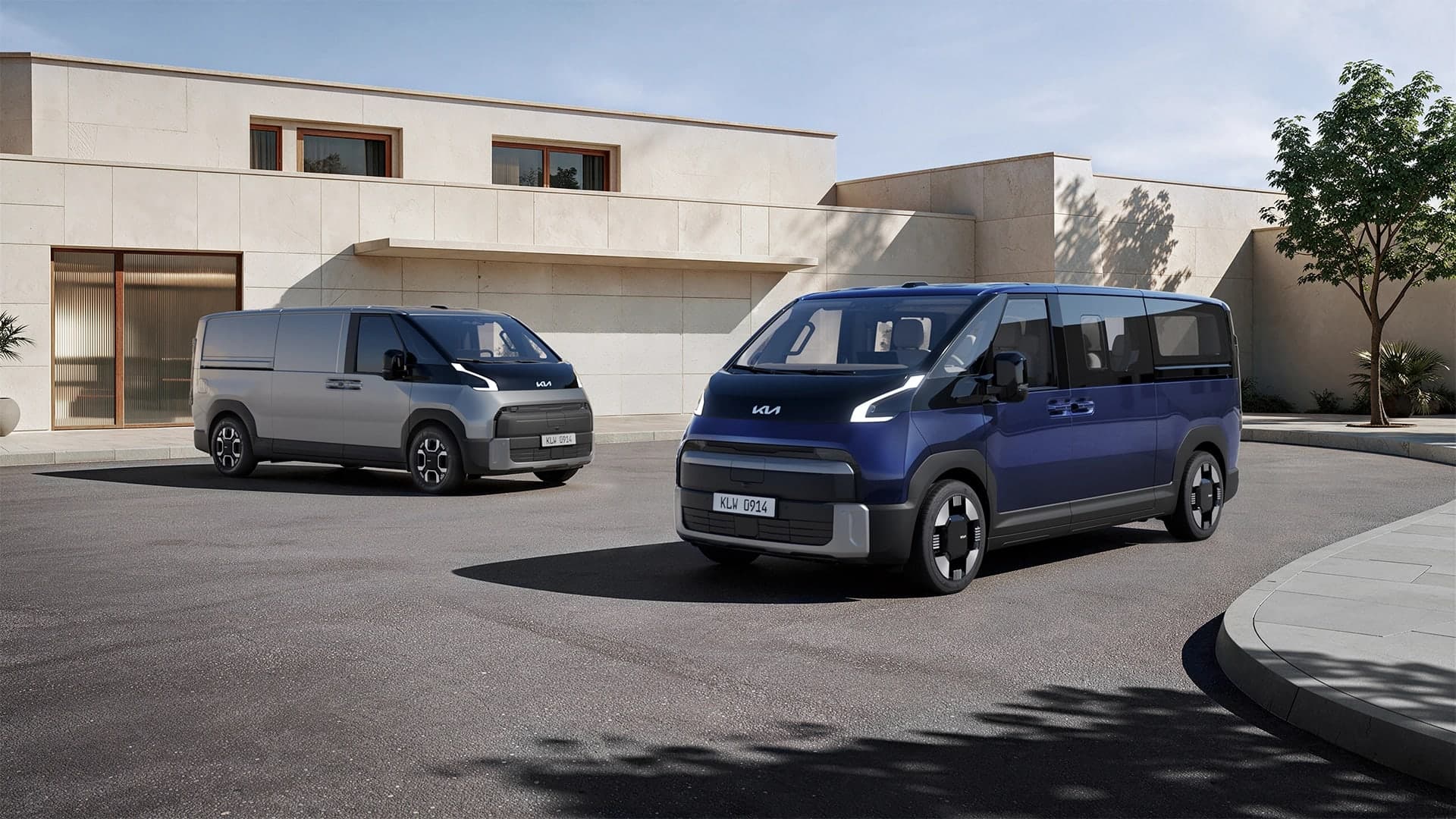
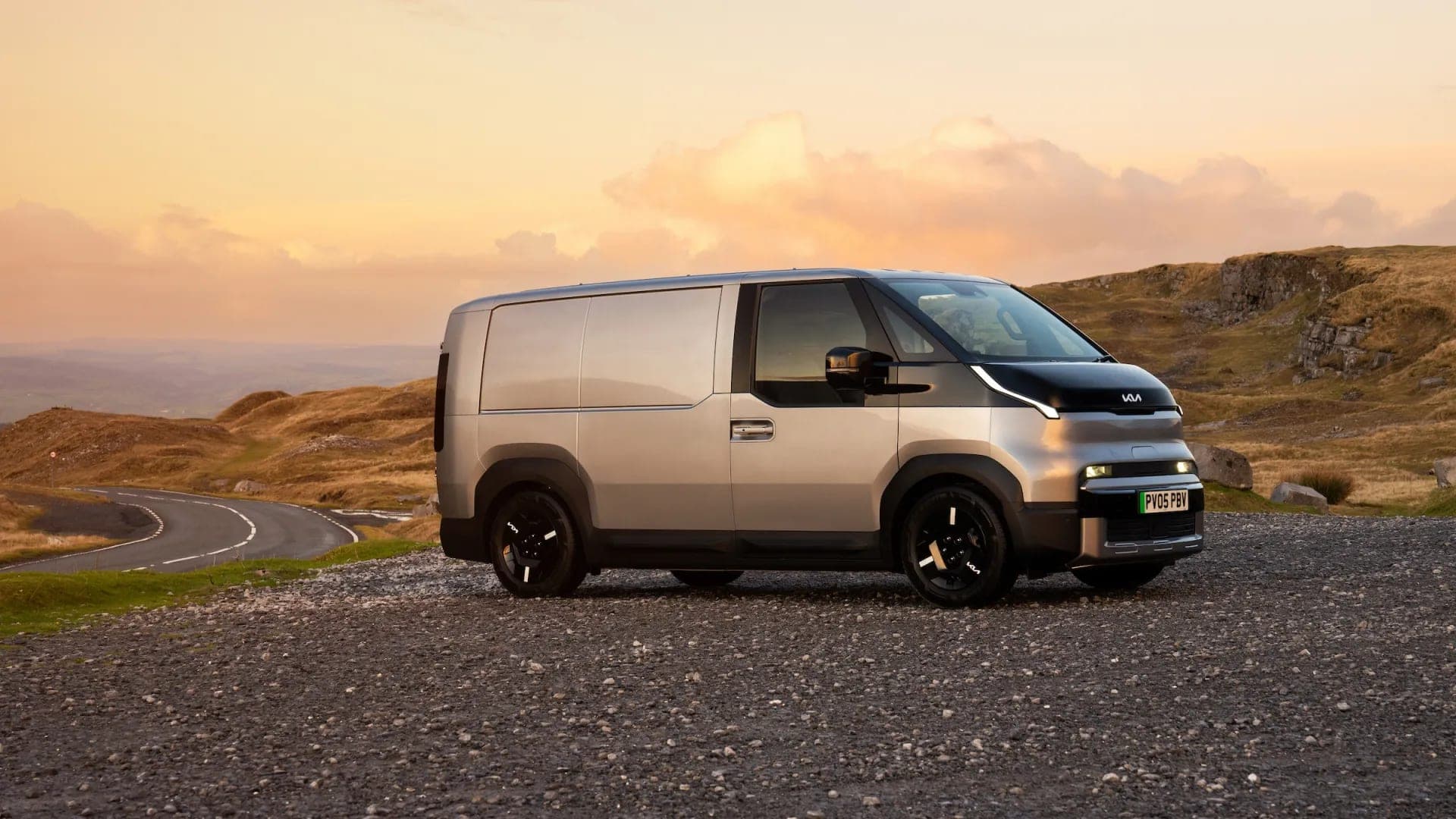
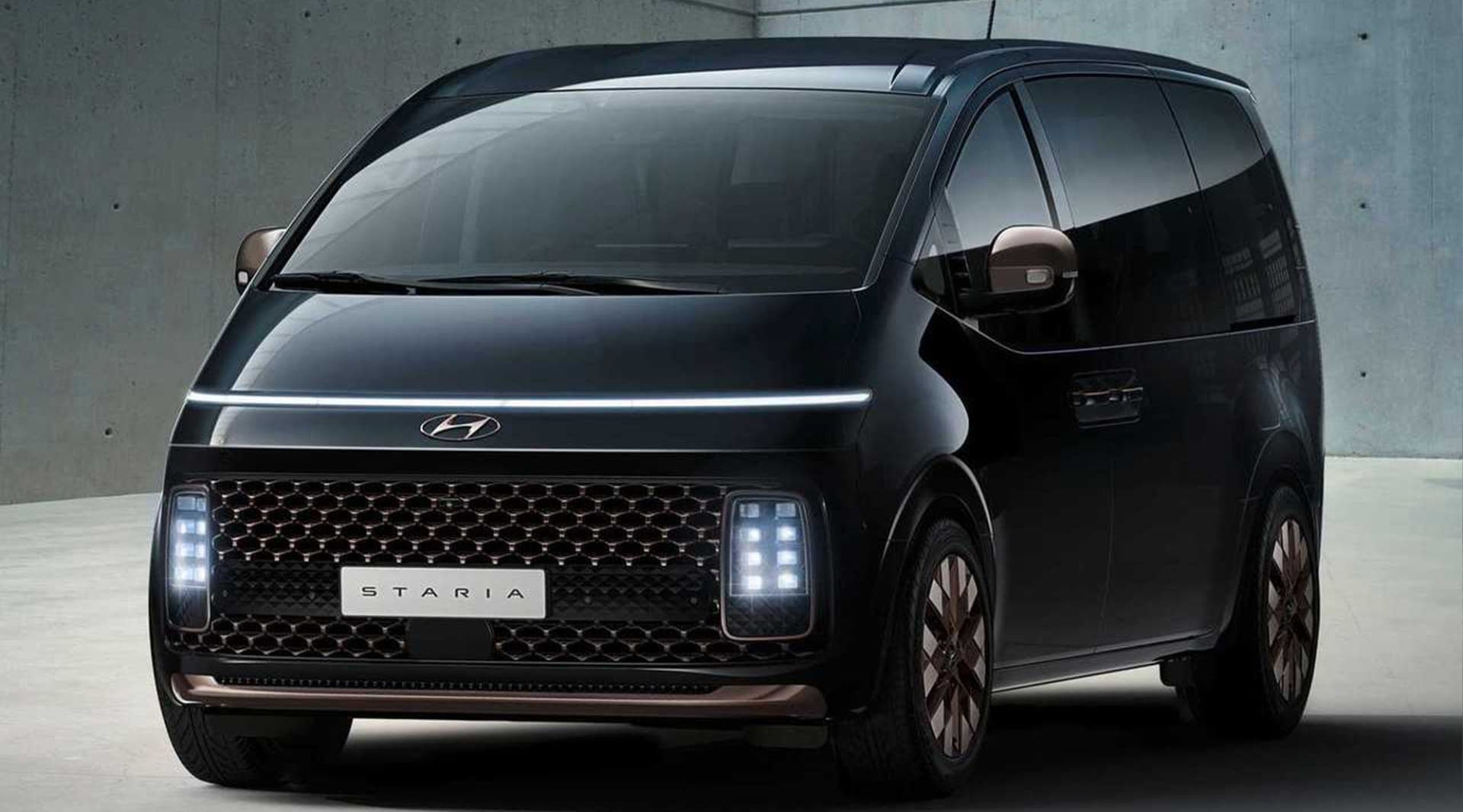
The IVOTY jury picked the Trafic from a field that included the Hyundai Staria Electric, Geely's Farizon V7E, the Maxus Deliver 7, the Volkswagen Caddy Cargo and the Stellantis compact quartet of Berlingo, Doblò, Partner and Combo. It succeeds the Kia PV5, last year's winner, and it is Renault's sixth title after the Master in 1998 and 2025, the Trafic in 2002 and the Kangoo in 2012 and 2022. Jury chairman Jarlath Sweeney noted it is exactly 25 years since a Trafic last won. All of it was judged on a van whose range figure is still waiting for homologation and whose deliveries begin at the end of the year.
81 kWh, 800 volts and 280 km in 20 minutes replace a 52 kWh van that charged at 50 kW
The outgoing Trafic Van E-Tech, revealed at the same Hannover show in 2022, carried a 52 kWh battery, 297 km of WLTP range, a 122 hp motor and 50 kW DC charging as an option. The new one has 81 kWh, a claimed 470 km, close to 690 km in urban use, and an 800-volt architecture that recovers 280 km in 20 minutes, or 380 km of city driving. Towing rises from 920 kg to 2,000 kg and payload is 1.3 tonnes. Measured per kilowatt-hour, that is 5.8 km from every kWh, where the Kia PV7 needs 96.2 kWh for 460 km, and the Staria Electric carries 84 kWh.
5.8 m³ is the new Trafic's maximum load volume, and it was the old Trafic's minimum
The number Renault's release skips is the box. The new Trafic offers up to 5.8 m³, three Euro pallets, 1.30 m between the wheel arches and a 53 cm load sill; the outgoing model ranged from 5.8 m³ to 8.9 m³ with a load length up to 4.15 m. Height is capped at 1.89 m so the van fits standard underground car parks, and the turning circle is 10.3 m, which Renault compares to a Clio. The van sits on the group's new RGEV medium-van platform, the skateboard also used by Flexis, the joint venture with Volvo Group and CMA CGM that builds its own delivery vans on the same Sandouville line.
Two computers replace 80 control units in Europe's first software-defined van
The Trafic is the first Renault Group vehicle, and the first light commercial vehicle sold in Europe, with a centralised software architecture: 80 electronic control units become two computers running Car OS, the Android-based system developed with Google. Renault uses it for over-the-air updates and predictive maintenance. In 2027 it adds Renault UPTIMIZE, a fleet programme that targets a 50 percent cut in downtime after an incident through the 400 Renault Pro+ centres in Europe. Renault puts total cost of ownership up to 10 percent below an equivalent diesel and lifecycle emissions at 33 tonnes of CO₂e over 200,000 km against about 63 for a diesel of the same size.
Electric vans took 13.2 percent of EU registrations in H1 2026, and Renault wants five new ones by 2028
The market the Trafic enters is still 79.1 percent diesel. ACEA counted 742,759 new vans in the EU in the first half of 2026, up 1.9 percent, with electrically-chargeable vans at 13.2 percent of that, up from 9.5 percent a year earlier; Norway's vans were 44.9 percent electric in August. Germany, Italy and France all shrank while Spain grew 7.9 percent. Renault is Europe's second-largest van brand, the Master leads the large-van segment, and 2.8 million Trafics have been sold since 1980. Under the futuREady plan the Trafic is the first of five new light commercial vehicles due by 2028, with the Goelette and Estafette already announced from the same platform.
AutoNext Take
A trophy handed out before homologation is a bet on a spreadsheet, and 26 jurors made it unanimously. Renault's own figures justify part of it: 470 km from 81 kWh is 5.8 km per kWh, where Kia's PV7 needs 96.2 kWh for 460, and 800 volts turns the 50 kW option on the old van into a 20-minute stop. What the release leaves out is the box. The old Trafic went up to 8.9 m³; the new one stops at 5.8, and the chassis cab and crew cab that will fill out the range do not arrive until 2027.
Renault has until the December deliveries to publish a WLTP figure, and that is the one to hold it to. If the homologated range lands below 450 km, the award will have gone to a claim rather than a van, and the PV7's 460 km becomes the segment reference by the time Kia lists European prices in 2027. If it lands at 470 or above, Renault has built Europe's most efficient medium electric van, in a factory it shares with Volvo's Flexis project, and the jury will look like it read the spreadsheet correctly.
Follow us on Google News.
Set AutoNext as your preferred source on Google Discover.