US carmakers want Chinese cars banned. Waymo has imported 3,200 Zeekrs
The Chinese car doing the most miles in America turns up with no electronics in it
The Alliance for Automotive Innovation wrote to Congress this week asking for a permanent ban on Chinese connected vehicles, along with the software and hardware inside them. Three days earlier, Waymo opened public driverless service in Denver and San Diego, and in both cities the only car a passenger can ride in is built by Zeekr in Ningbo. None of that is illegal, and the reason why is the whole story.
The Alliance wants a law on the books before Congress adjourns on 3 January
Reuters first reported the letter on 3 September. The Alliance for Automotive Innovation speaks for most of the industry selling cars in the United States, counting General Motors, Ford, Toyota, Honda, Hyundai, Kia, BMW, Volkswagen, Mercedes-Benz and Volvo among its members, and its chief executive John Bozzella asked lawmakers to act before the session ends. He argued that Chinese makers are dumping subsidised vehicles with connected software and hardware around the world, and pointed at two bills sitting in committee: H.R. 10158, the Automotive National and Economic Security Act, and the Connected Vehicle Security Act. Tariffs and Commerce Department rules already keep Chinese cars out. The industry wants that turned into law a future administration cannot quietly unwind, even though Ford's own chief executive has told staff the barrier will not hold forever.
Waymo's Ojai is built in Ningbo and only becomes a connected car in Mesa, Arizona
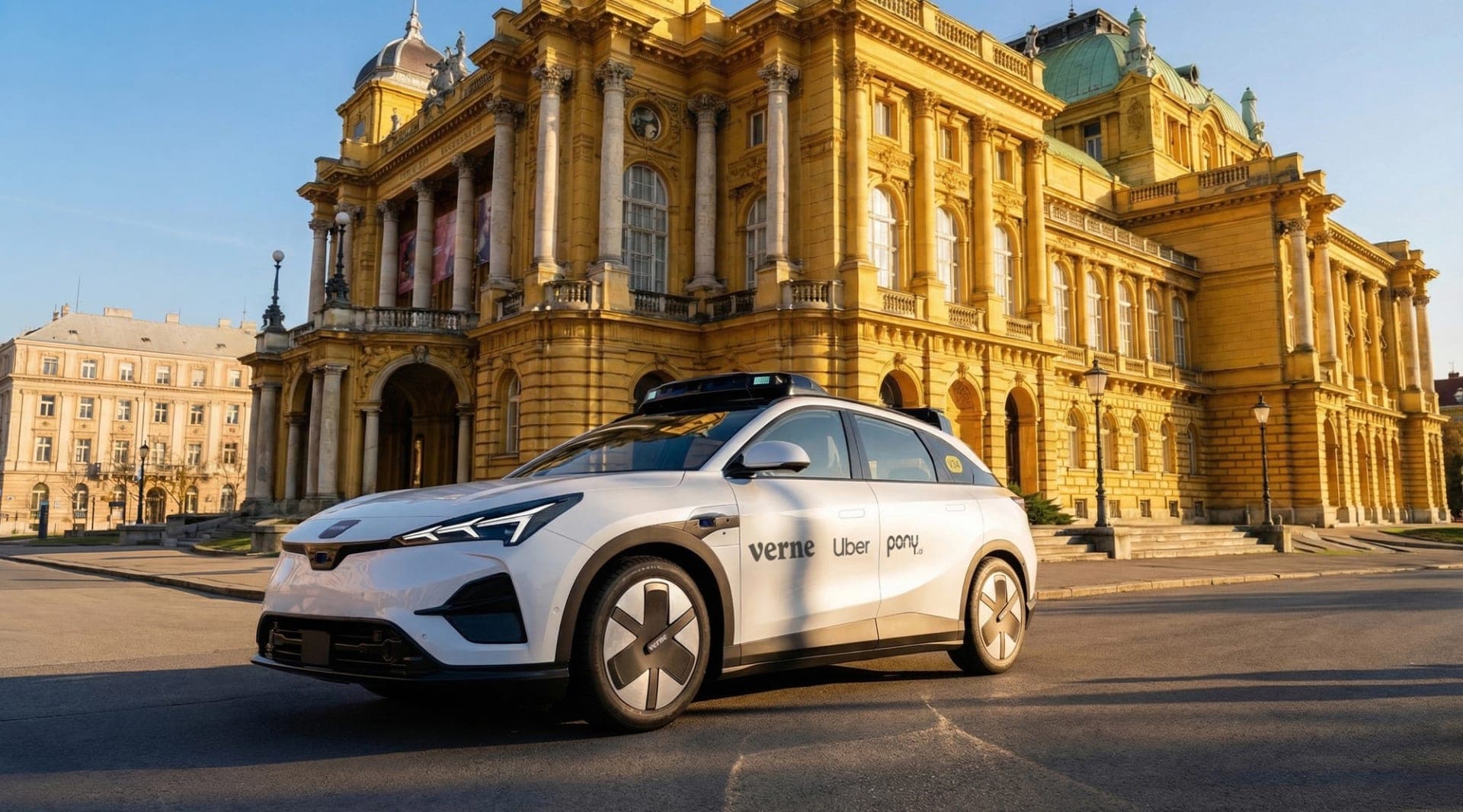
The vehicle, internally the Zeekr CM1e and previously known as the RT, leaves China as what US customs treats as an incomplete rolling glider. It ships without the autonomous computer, without the sensors and without the telematics. Waymo and Magna fit the computing hardware, the four lidar units, six radars and 13 cameras once the car reaches Mesa, Arizona. The Commerce Department restrictions, which bite on software from 2027 and on hardware from 2030, are written around connected-vehicle technology of Chinese origin rather than around where the body was welded. Send the body without the connectivity and there is nothing for the rule to catch.
More than 3,200 chassis have landed in Los Angeles at a 102.5% import cost
More than 3,200 CM1e chassis had cleared the Port of Los Angeles by the end of August, over 2,600 of them since January. Roughly 300 are carrying paying passengers today; the rest are in integration, calibration or storage around Mesa. They arrive into the same wall every Chinese car faces, about 102.5% once the standard passenger-car duty and the Section 301 surcharge on Chinese electric vehicles are stacked, and the finished robotaxi still costs Waymo far less than the Jaguar I-Pace it replaces. Jaguar stopped building the I-Pace at Magna Steyr in late 2024 and General Motors cancelled the Cruise Origin the same year, which is how a Chinese platform became the only one available in volume.
The 15% ownership rule would catch Mercedes-Benz and Volvo, both Alliance members
The Connected Vehicle Security Act would bar any carmaker more than 15% owned by a Chinese company from selling vehicles in the United States. Chinese investors hold close to 20% of Mercedes-Benz. Volvo Cars is owned outright by Geely. Both sit inside the group asking for the law, which is why the Alliance says it wants a balanced solution, the standard phrasing for a carve-out. Polestar, also Geely-owned, is already being pushed out of the American market under the existing connected-vehicle restrictions and says it has still not been told precisely what it did wrong.
Europe taxes Chinese cars and asks nothing about the data they send
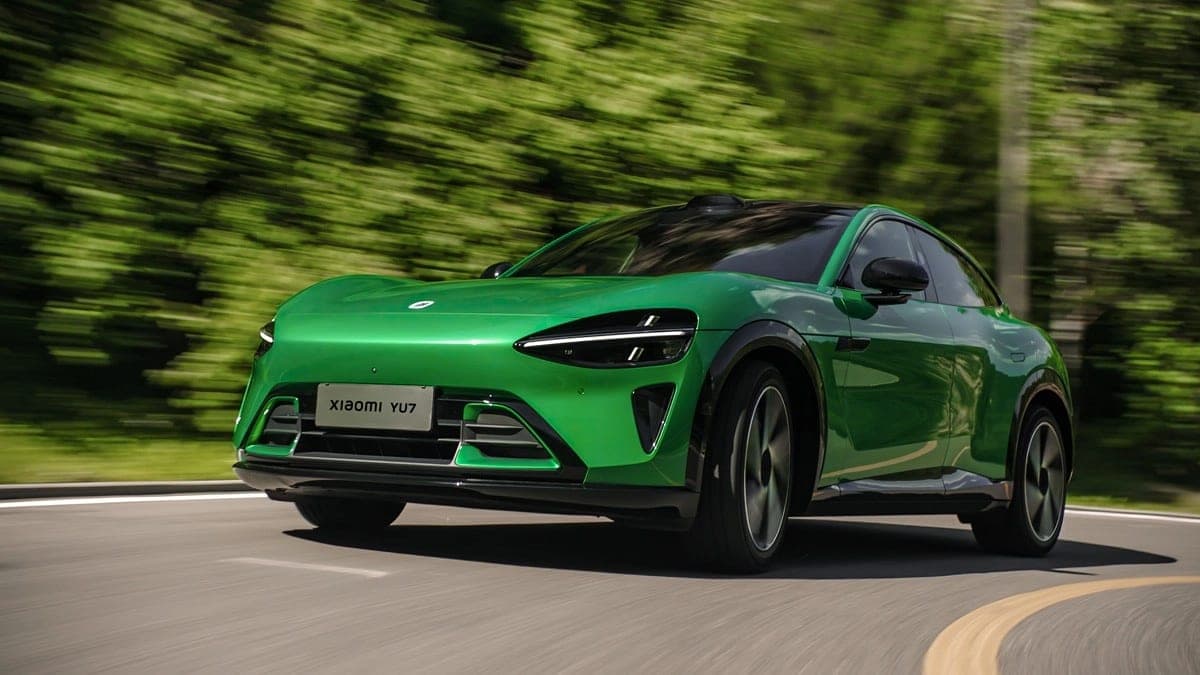
Europe's answer to Chinese cars is priced rather than prohibited. The EU duties on Chinese electric vehicles, extended to plug-in hybrids this year, raise the sticker and do nothing else. More than one in ten cars sold in Europe is now Chinese, and Xiaomi has already signed eight German dealer groups ahead of its 2027 launch. There is no European equivalent of the Commerce connected-vehicle rule, no ownership threshold and no proposal in front of Parliament that would stop a Chinese-built car from collecting and transmitting European driving data. The argument here has been about price from the first day.
AutoNext Take
A ban written around connectivity rather than nationality has an obvious way out, and Waymo has driven through it more than 3,200 times. The Ojai's engineering lineage runs back through Zeekr Technology Europe in Gothenburg, so the car America's industry wants legislated off its roads was shaped in part in Sweden, assembled in China and made intelligent in Arizona. Drawing a national border through that supply chain is going to cost more in lawyers than it saves in security, and the vehicle it would ban is the one making driverless taxis affordable enough to scale.
Here is the test worth watching. Waymo's first European service starts in Munich at the end of 2027, the same year the American software restrictions take effect, and if the Ojai is the car that turns up in Bavaria, Europe will have Chinese-built robotaxis on its streets under rules that ask nothing at all about where the data goes. Europe spent two years arguing over what Chinese cars should cost and has not yet started arguing over what they know. On that one question, the Americans got the order right.