Why a Dubai-plated Ferrari can ignore a £160 London parking ticket
Four Gulf states account for 41% of Westminster's foreign-plate tickets
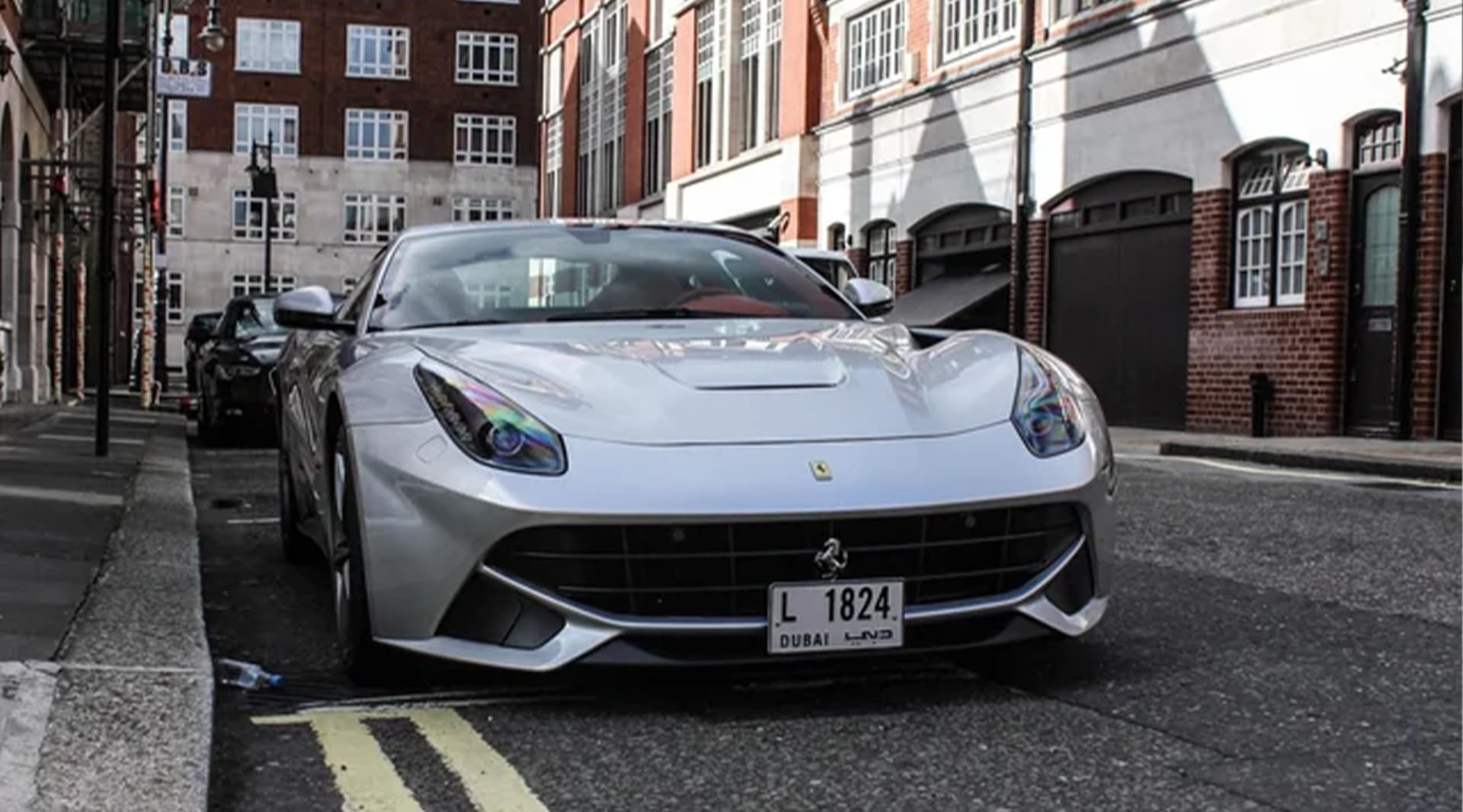
Each summer London's most expensive streets fill with Ferraris, Lamborghinis and Rolls-Royces wearing Gulf plates, and each summer those cars collect parking tickets that nobody pays. Westminster council issued 13,423 penalty charge notices to United Arab Emirates vehicles between 2018 and 2022, and the Wall Street Journal reports that roughly one percent of them were settled. Four Gulf states together account for 41% of the borough's foreign-plate tickets.
Westminster's worst parking fine is £160, and it halves inside 14 days
The money is not the obstacle. Westminster charges £110 for a lower-level contravention and £160 for a higher-level one, and both fall by half if they are paid within 14 days. The realistic worst case is £80, about €92. Flying a single car from the Gulf to London and back costs somewhere near €58,000. A penalty worth less than 0.2% of the freight bill is not a deterrent, it is a rounding error on the shipping invoice.
Qatar took 2,570 Westminster tickets in one year, more than any other country
Qatari-registered cars collected 2,570 Westminster penalty notices in a single year, the highest total of any foreign country, from a state more than 5,000 km away. The pattern is as much geographic as national. Harrods and the streets around it are the dependable hotspot, where loading bays, taxi ranks and double yellow lines get treated as short-stay parking. The council is not short of evidence or photographs. It is short of a name and an address.
Britain cannot request keeper data abroad to enforce a civil debt
This is the mechanism, and it is duller than the cars. A British parking penalty is a civil debt rather than a criminal fine, and vehicle-keeper information cannot be exchanged internationally to enforce a civil debt. The UK government confirmed that position again in December. Without a registered keeper, a council has nobody to serve a charge certificate on, no route into the county court and nobody to send bailiffs after. Councils can instruct international collection agencies once a car has gone home, and one percent is what that produces.
Towing is legal, keeping the car is not, and Britain has no plans to change that
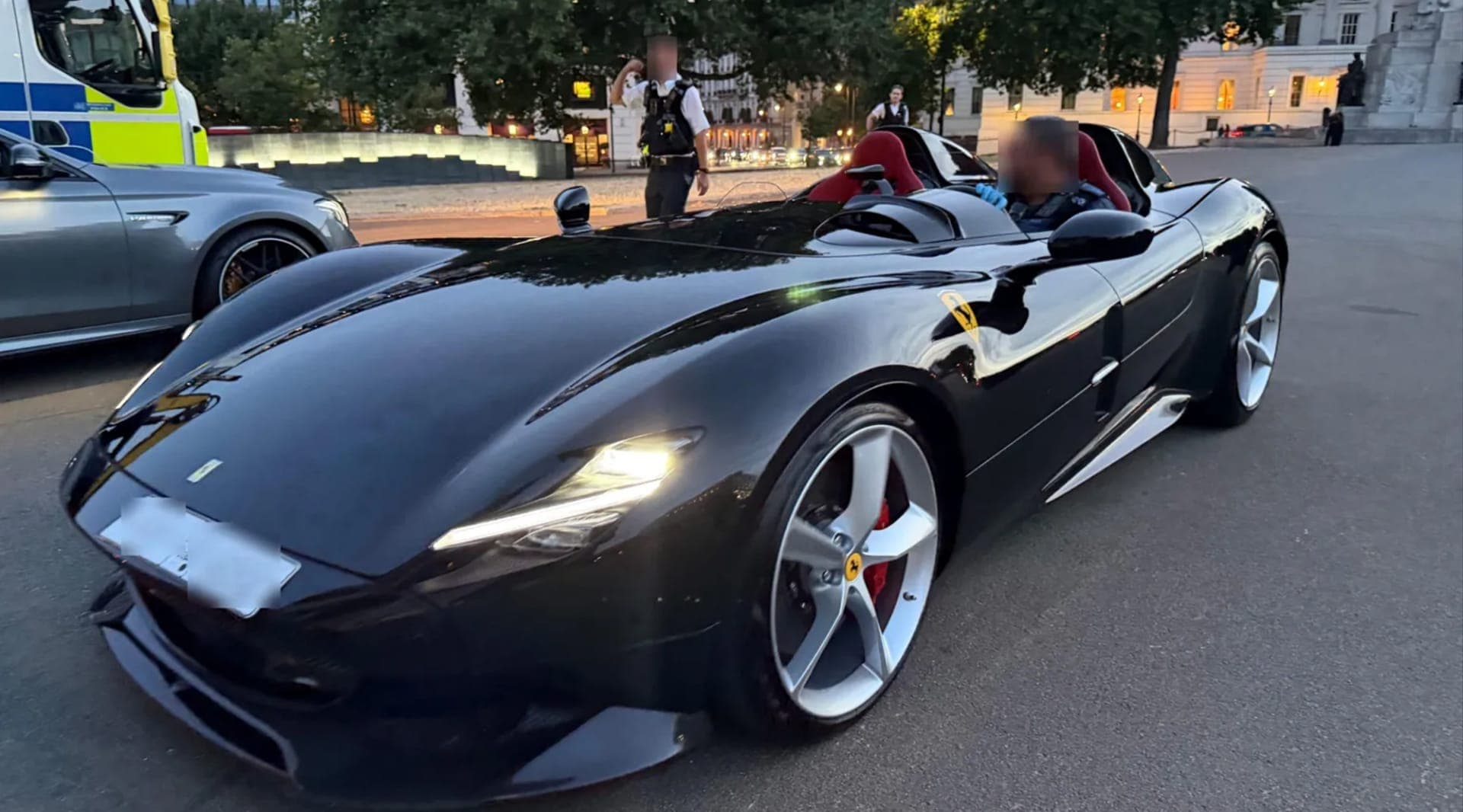
Westminster now tows illegally parked supercars to a pound, which turns an ignorable fine into a real inconvenience and a release fee that has to be paid before the car moves. What it cannot do is keep the vehicle. British law does not allow a car to be retained or auctioned over unpaid parking penalties, and the government has said it has no plans to authorise that. Police powers are a separate matter, which is how the Met came to seize a £3.7 million Ferrari Monza SP2 in London. A parking authority has none of them.
The EU adds dangerous parking to its cross-border list on 20 July 2027
Europe has been closing its own version of the gap, slowly. Directive (EU) 2024/3237, adopted in December 2024, widens the offences for which one member state can request keeper data from another, and dangerous parking joins the list alongside dangerous overtaking, crossing a solid line and hit-and-run. Member states have until 20 July 2027 to apply it. Two limits survive. It covers dangerous parking rather than an overstayed loading bay, and it works only between member states, so a Dubai plate in Cannes or Marbella is precisely as untouchable as it is in Mayfair.
AutoNext Take
The number worth arguing about is not 13,423, it is the one percent, because it describes a system doing exactly what it was built to do for everyone except the people who fund it. A London resident who overstays by ten minutes sits in the DVLA database and will be found inside a fortnight. A visitor who air-freights a car in, leaves it on a taxi rank for six weeks and flies home is outside the only mechanism a council has. European traffic enforcement does not really run on cameras or wardens. It runs on registers, and a register stops at a border.
So the fix is not a bigger fine, and Westminster has effectively conceded that by putting its effort into tow trucks instead. It is reciprocal access to keeper data, which makes the EU-UK talks on restoring vehicle registration exchange more consequential here than any parking policy: Britain dropped out of that system on 1 January 2021 and has not been able to trace an EU plate since. The date to watch is 20 July 2027. Even if both fixes land, they cover Europe, and 41% of Westminster's foreign tickets come from four countries that neither one reaches.