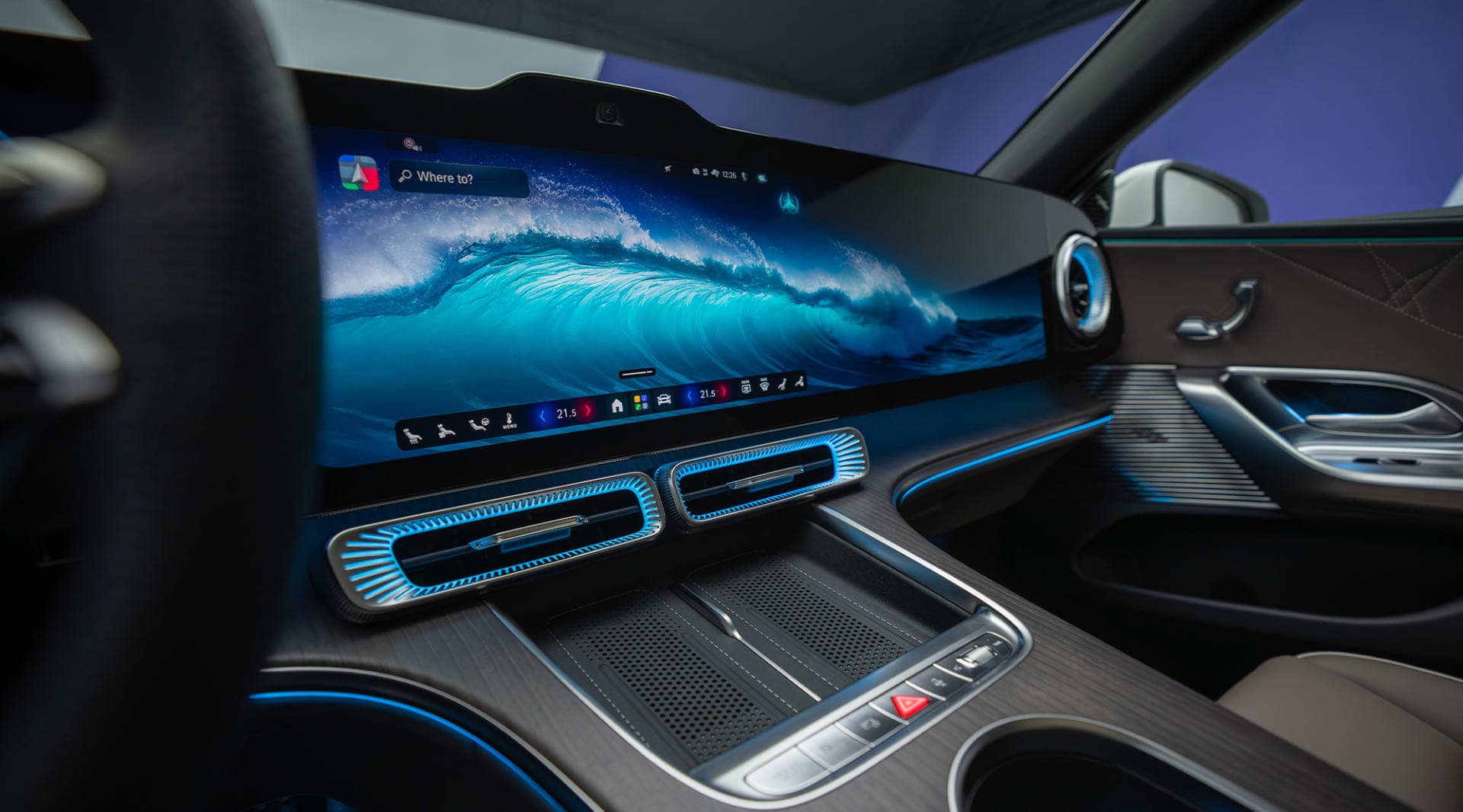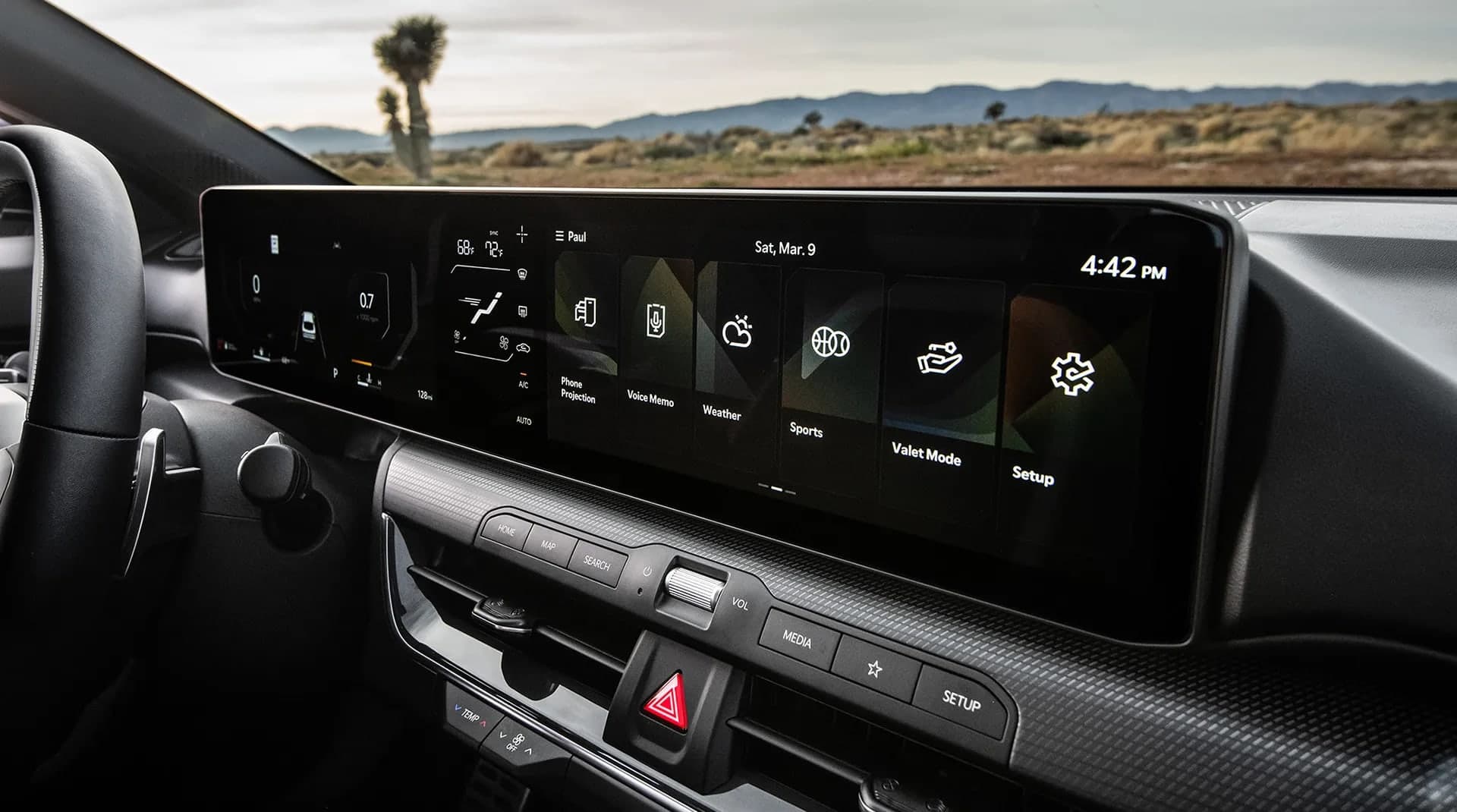
BMW skipped the passenger screen. A third of owners never use theirs
Only 6 percent of owners switch the passenger display on every drive
J.D. Power's 2026 Tech Experience Index put one question to 68,084 owners of new cars after 90 days behind the wheel: which of this technology do you actually use? Among owners whose car came with a passenger display, 35 percent had never once switched it on, and only 6 percent used it every time they drove. The screen logged 21.3 problems per 100 vehicles.
Smart ignition won the study on 2.4 problems per 100 vehicles
The study covers 40 technologies across comfort and convenience, connectivity, driver assistance, EV features and smart vehicle systems, and the feature owners rated highest is the one they never think about. Smart ignition, which starts and stops the car without asking anyone to find a key or press a button, returned the best satisfaction in the study on 2.4 problems per 100 vehicles. Smart climate control scored close behind. Neither makes a good launch video, which is rather the point.
Audi's 10.9-inch passenger display is engineered to hide from the driver
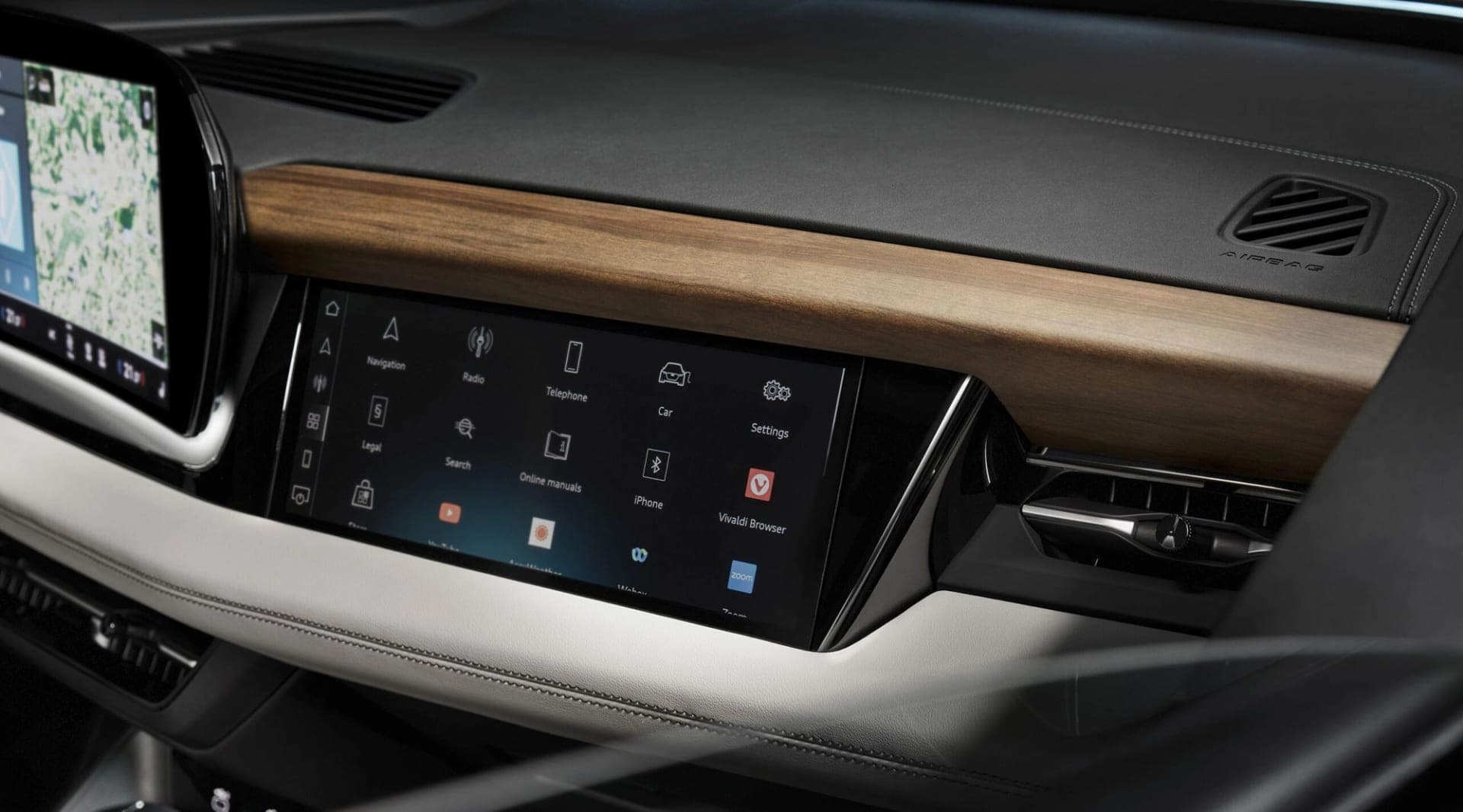
Audi fits a 10.9-inch MMI passenger display to the A5, Q5, A6 and Q6 e-tron, and pairs it with a feature called active privacy mode. Depending on the content playing, the car's speed and whether the seat is occupied, a switching layer either focuses the light towards the passenger or disperses it so the whole cabin can see. The passenger watches a film and the driver sees nothing. That is real engineering, spent on making a screen invisible from one seat, for a feature a third of owners never open at all.
BMW's iX3 spends a whole windscreen rather than one passenger screen
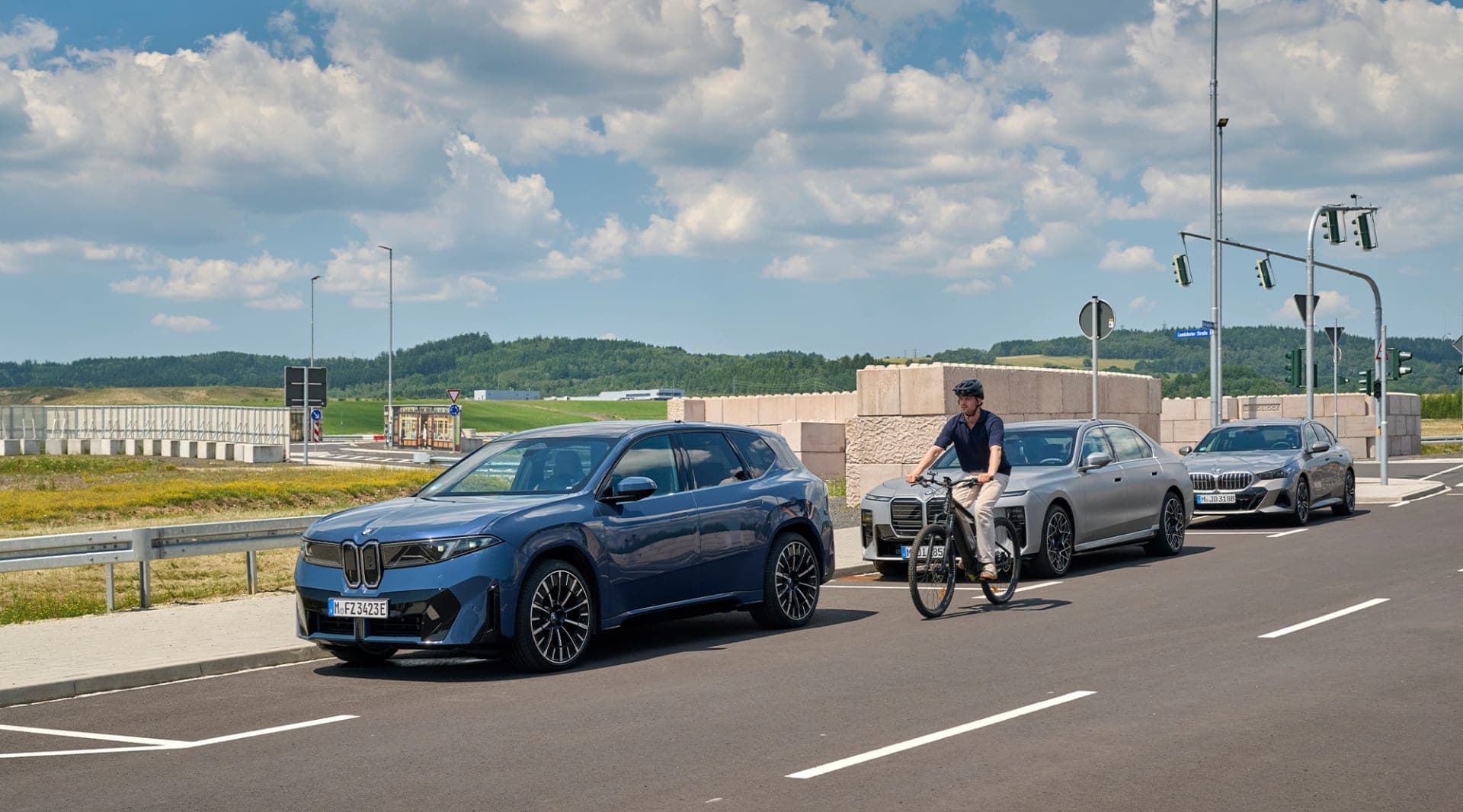
BMW's Neue Klasse took the opposite route. Panoramic Vision projects onto a black band printed across the base of the windscreen, running from A-pillar to A-pillar, and the driver decides from the central display what appears in the middle and passenger zones. The iX3 carries no dedicated passenger touchscreen at all. BMW still finished only third among premium brands on 524 points, behind Cadillac on 641 and Genesis on 559, so this is not a company that has solved the cabin. It declined to buy this particular problem.
Hands-free Level 2+ had fewer faults than Level 2, and owners liked it less
Driver assistance produced the same shape of answer. Level 2+ systems that permit hands off the wheel logged 13.8 problems per 100 vehicles against 14.3 for conventional hands-on Level 2, so the more advanced hardware was the more reliable of the two. Owners still rated plain Level 2 higher on execution and on the overall experience. More capability, less satisfaction, which is an awkward result for every European brand now promising hands-free motorway driving.
Euro NCAP already told Europe which controls have to stay physical
Europe has been having a version of this argument for two years. Euro NCAP's 2026 protocols reserve top marks for cars that keep indicators, hazard lights, wipers, the horn and the emergency call on physical controls, and software behind the dashboard display has become a routine reason for recalls. Mercedes' chief executive has pushed back, arguing the industry is at peak low button rather than peak screen. This study does not settle that argument. It settles a narrower one, about the second screen.
AutoNext Take
The 21.3 problems per 100 vehicles is the number worth sitting with, because it is not a fault rate spread across the whole fleet. A screen nobody opens cannot generate complaints. That figure comes almost entirely from the two thirds of owners who did try the thing, which makes it a harsher verdict than it first looks. The passenger display disappoints the people who use it and bores the people who do not.
So here is the test. The passenger display is a paid option almost everywhere it exists, which means it survives only while enough buyers keep ticking it. If BMW adds one to a Neue Klasse model within its next two launches, the 35 percent was a teething figure and the screens win. If Audi's 10.9-inch display is still working this hard to hide from the driver in three years while a third of owners never wake it up, the industry will have spent its cleverest cabin engineering on the wrong seat.