The right way to cool down a hot car on a summer's day
Your AC is losing a battle it should never have to fight
On a hot summer's day, a car sitting in direct sunlight for an hour can reach interior temperatures of 50 to 65 degrees Celsius. Leather seats, a steering wheel and dashboard surfaces climb even higher. The moment you turn on the AC into that environment, you are asking a refrigeration system to fight an enormous heat load. It can do it, but it takes far longer than it needs to and costs more fuel while doing it.
The solution is a small change in habit. One that takes about 60 seconds and makes a measurable difference.
Ventilate before you cool
Before starting the engine, open all four doors, or all windows if opening doors is not practical, and let the car breathe for 30 to 60 seconds. Hot air rises and exits through the top of the open gaps. Outside air, even if warm, replaces the trapped air that has been baking inside. You do not need to wait long. Even 30 seconds of through-ventilation drops the interior temperature noticeably.
Once you start driving, keep the windows open for the first two to three minutes. This is where the biggest temperature drop happens. Moving air removes heat faster than AC can at low speed, particularly from surfaces like the headlining and seats.
The window trick that actually works
One technique worth knowing: open the window on one side of the car, then open and close the door on the opposite side five to six times. This creates a pumping effect that pushes hot air out. It works because you are forcing air circulation rather than relying on passive ventilation. On a still day with no breeze, it can drop interior temperature by several degrees before you have even started the engine.
Why blasting cold air immediately backfires
Turning the AC to its coldest setting the moment you enter a very hot car is instinctive but counterproductive. First, the system will initially recirculate the hot trapped air rather than making progress against it. Second, the compressor works at maximum load against peak heat, which increases fuel consumption and puts unnecessary strain on the system.
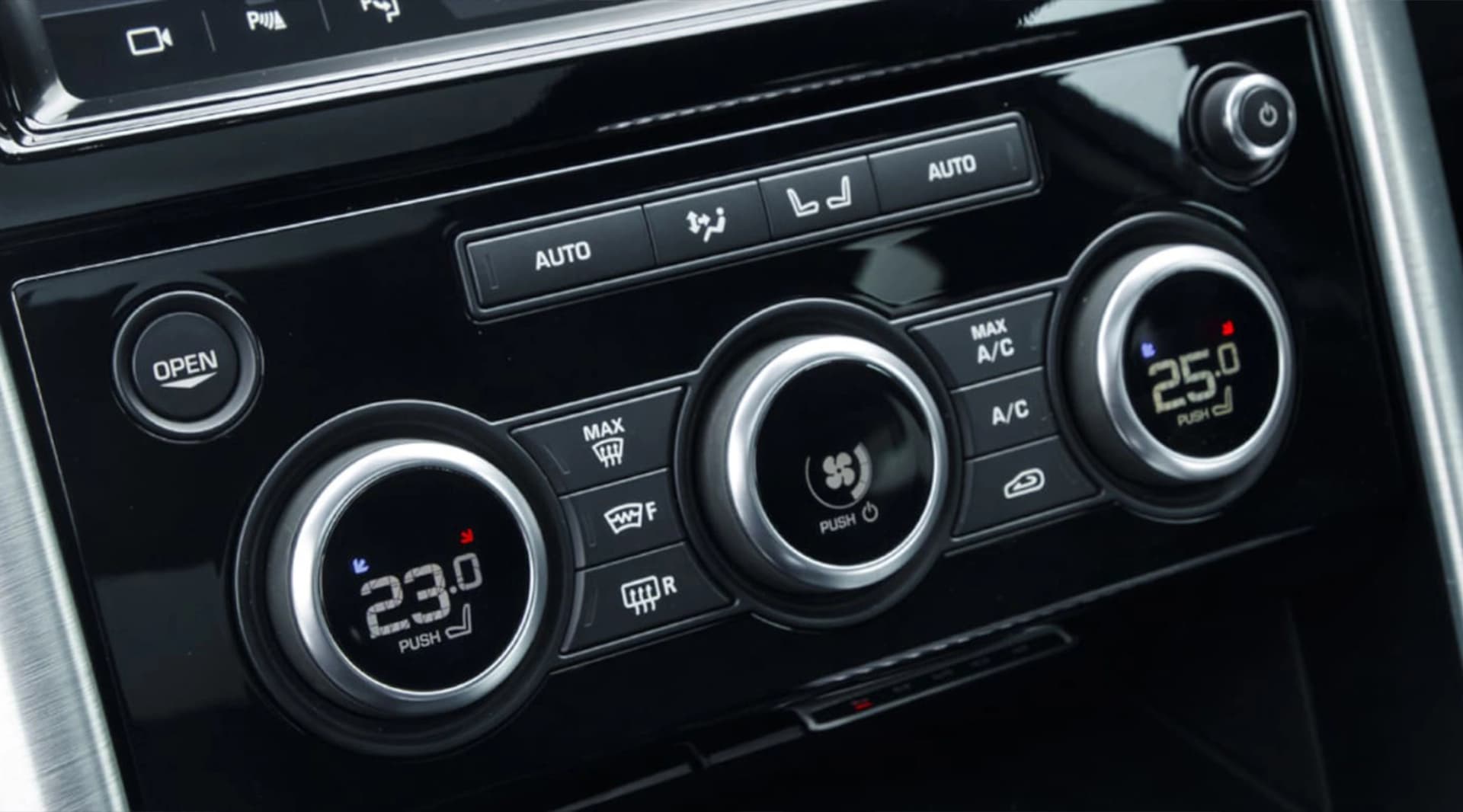
Set the AC to fresh air mode rather than recirculation for the first few minutes. Once the interior temperature drops to roughly outside ambient, switch to recirculation. At that point the system is cooling manageable air and reaches your target temperature much faster.
Where you park changes the equation
On a typical European June day with an ambient temperature of 28 degrees, a car in shade parks at around 35 degrees inside after an hour. The same car in full sun can reach 55 to 65 degrees. That difference takes your AC four to six times longer to resolve. Shade is almost always worth a longer walk.
If shade is not available, a windscreen sunshade reduces dashboard and front-seat temperatures by 10 to 15 degrees. That translates directly to a shorter cooling time when you return and less strain on the AC system when it starts.
A reminder that should not be necessary
Never leave children, elderly passengers or animals in a parked car in summer heat. Interior temperatures can become life-threatening within minutes, even with windows cracked. In many European countries it is also illegal. This is not a driving tip. It is a safety absolute.
AutoNext Take
The gap between what most drivers do (get in, start AC, wait) and what works better (ventilate first, use fresh air mode, then switch to recirculation) is not complicated. It is a sequence, and the sequence matters. In northern European summers this saves you a minute of discomfort. In southern France or Spain on a 35-degree day, it is the difference between a bearable car and an unpleasant start to every journey.
The windscreen sunshade remains one of the most underused car accessories in Europe. At roughly 15 to 25 euros, it costs less than a tank of city fuel and pays back every summer.