Volkswagen could not build Iron Dome parts, so it is selling Osnabrück
Qatar and Lower Saxony both own Volkswagen, and they wanted opposite things
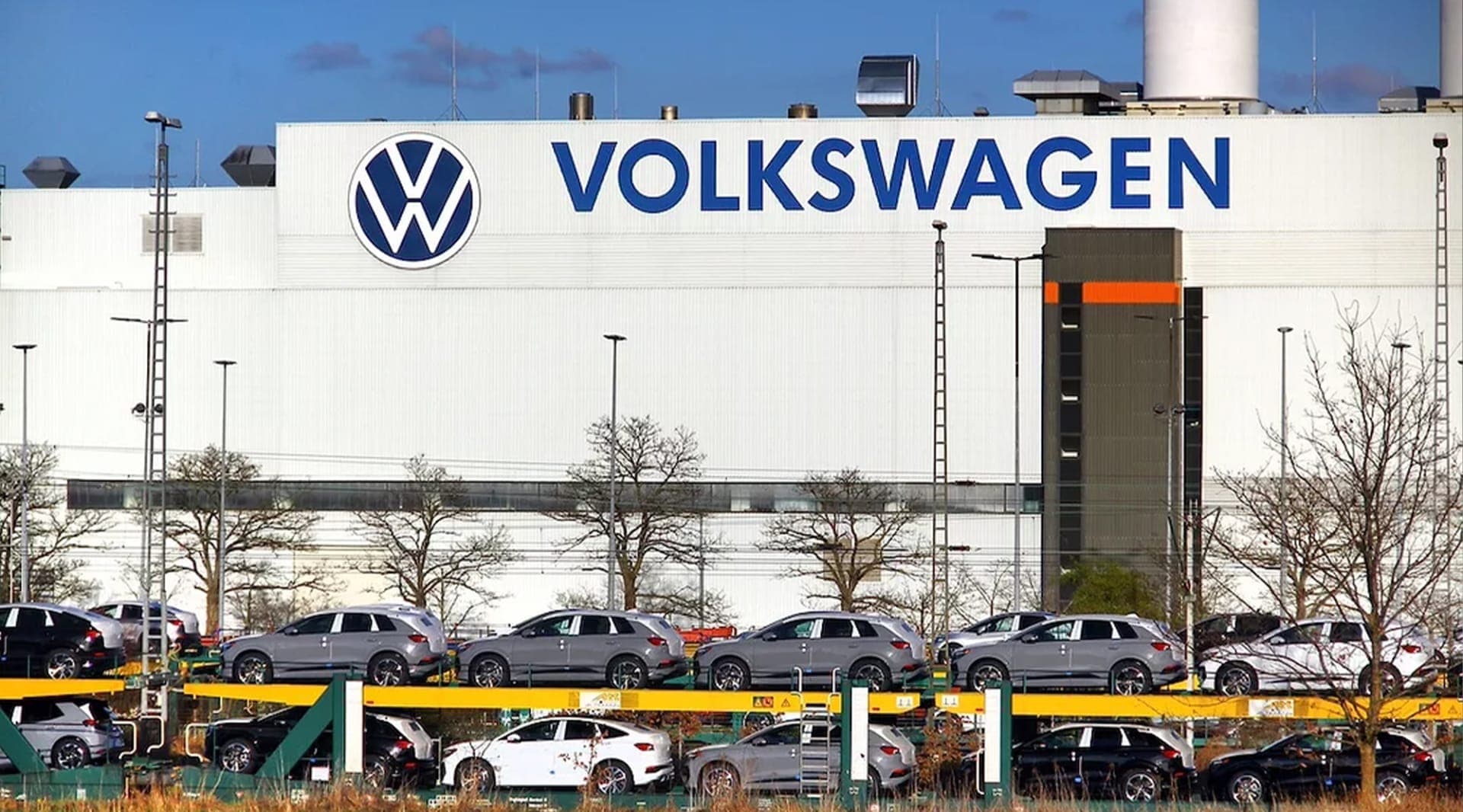
Volkswagen has agreed to sell Volkswagen Osnabrück GmbH to the investment firm Aurelius and the State of Lower Saxony, ending car production at the site in the summer of 2027. The new owners intend to build air-defence systems there with Israel's Rafael. Volkswagen wanted to run that project itself and, according to Bloomberg and Bild, was stopped in July by one of its own shareholders.
Aurelius takes the majority, Lower Saxony takes the rest of Volkswagen Osnabrück
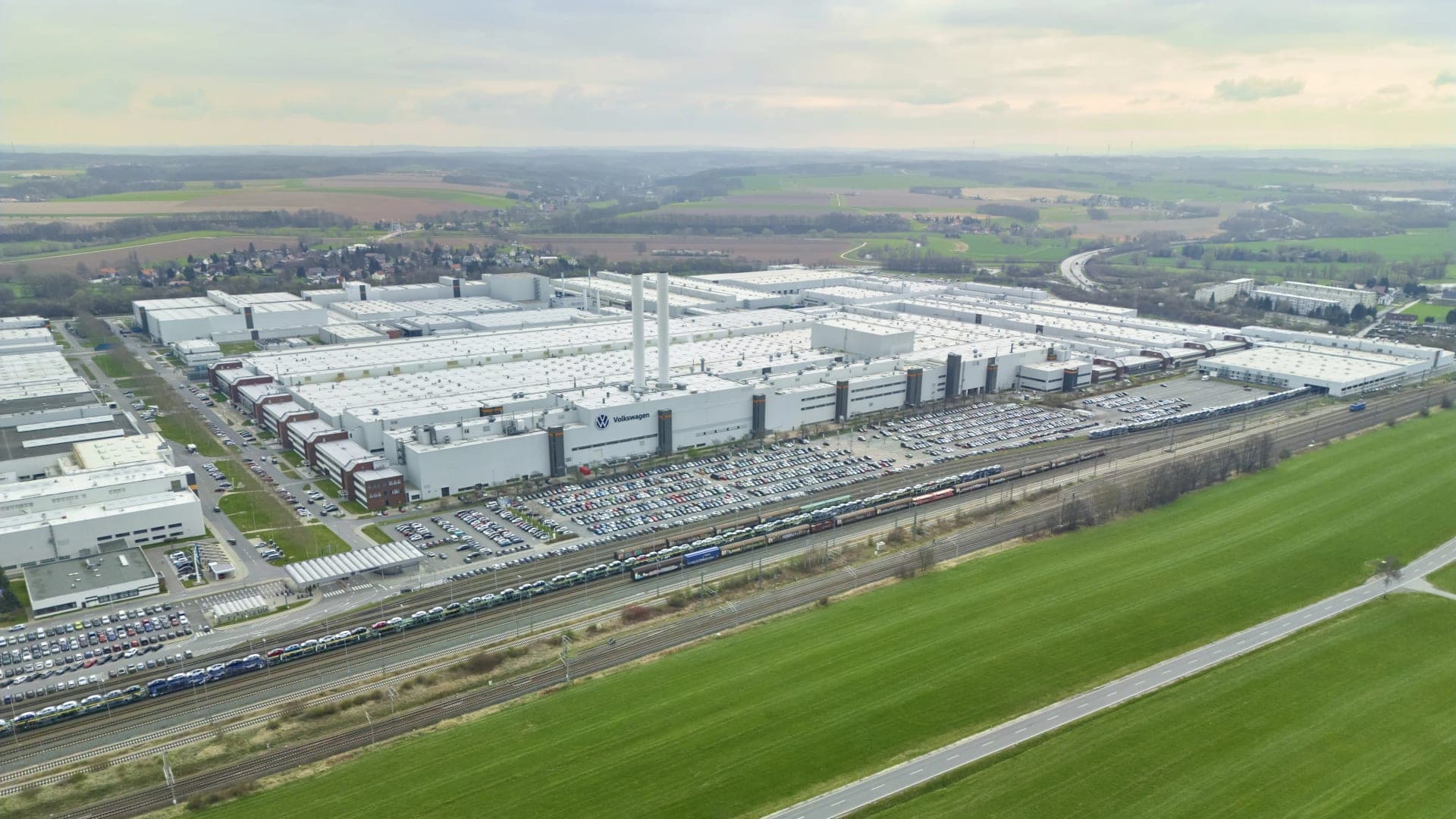
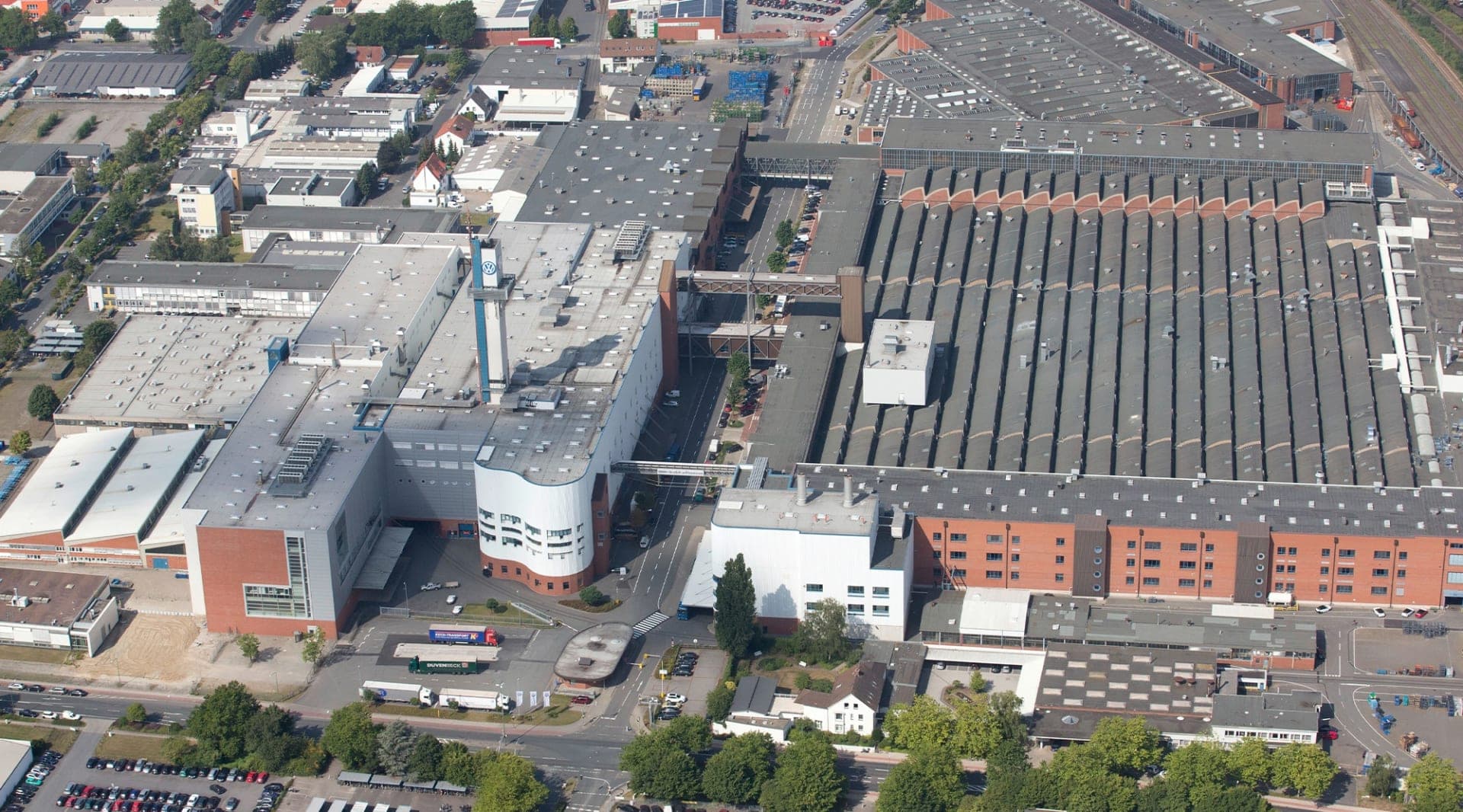
Volkswagen has signed an agreement with Aurelius and the State of Lower Saxony covering the sale of Volkswagen Osnabrück GmbH, with Aurelius as majority owner and the state alongside it. Vehicle assembly at the 430,000 square metre site runs out in the summer of 2027, and the plant is then meant to convert step by step into what Volkswagen calls a competence centre for security and defence solutions. Chief executive Oliver Blume described the agreement as opening a new industrial future for the site. It lands while the group is emptying car plants elsewhere, with Zwickau, Emden, Hannover and Neckarsulm all scheduled to stop building cars between 2031 and 2034.
Qatar holds 17 percent of Volkswagen's votes, and used them in July
The Qatar Investment Authority holds 10.4 percent of Volkswagen's share capital and 17 percent of its voting rights, which makes it the third-largest shareholder and gives it two seats on the supervisory board. Bloomberg and Bild reported on 10 July that Qatar had blocked a planned joint venture between Volkswagen and Rafael at this same plant. Neither Volkswagen nor the fund commented on those reports. The structure announced now does not need Qatar's agreement, because Volkswagen is not a partner in the defence business at all. It sells the company, and the buyers deal with Rafael on their own account.
Rafael will build launchers and generators, but not the Tamir interceptor
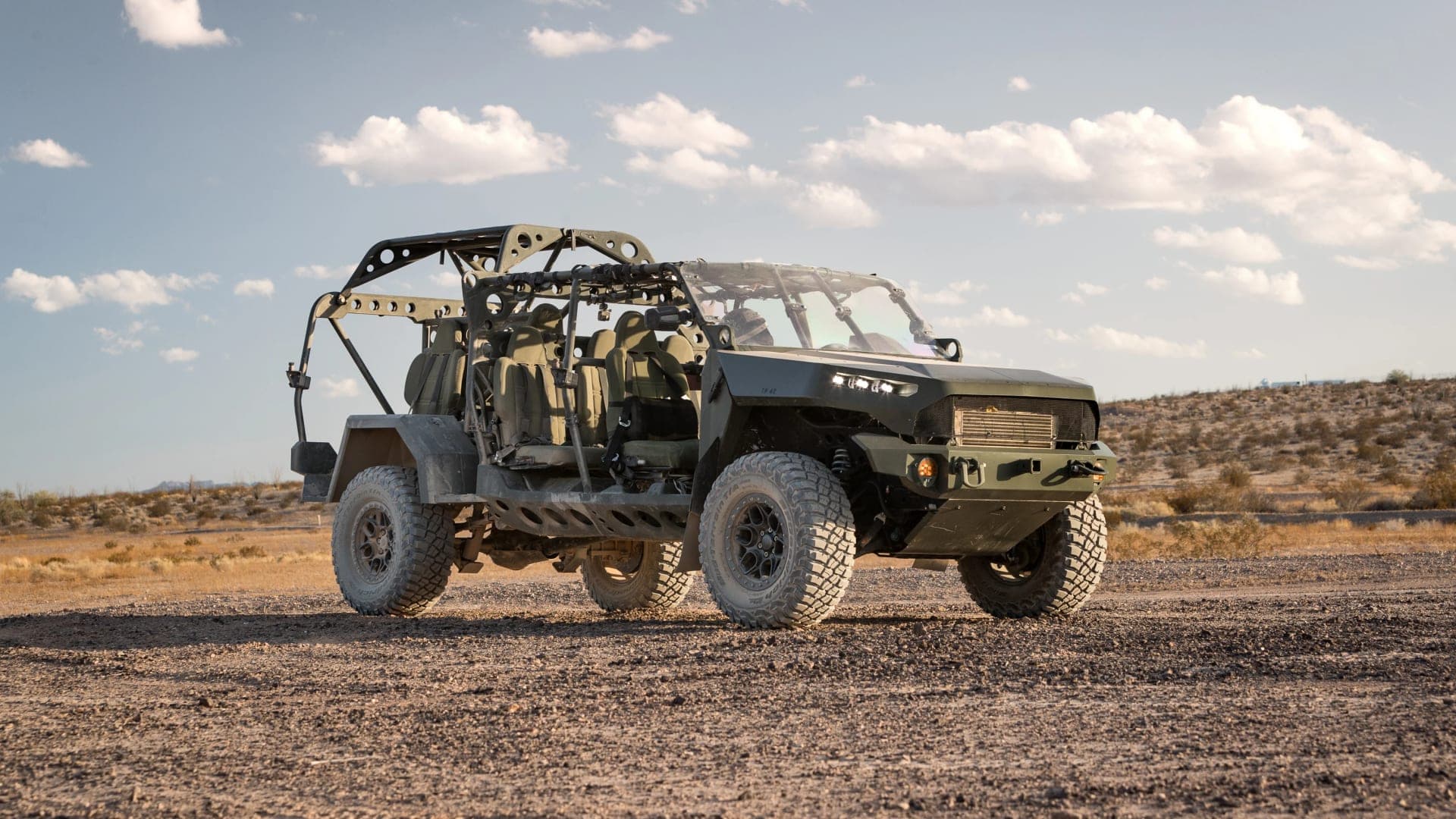
Rafael Advanced Defense Systems supplies the technology while the Osnabrück workforce handles manufacturing and industrialisation. The plan covers military transport vehicles, launchers, generators and associated equipment for the Iron Dome system rather than the Tamir interceptor itself, which stays outside Germany. Rafael chief executive Yoav Tourgeman has said the aim is for the technology to be produced fully in Germany. Germany already fields Arrow 3, Patriot, IRIS-T and Skyranger, so the order book is a procurement question rather than a given. Car plants building military hardware is no longer unusual, as General Motors has shown with its Chevrolet-based vehicles for the US Army.
1,200 of Osnabrück's 2,300 jobs have a stated future
Volkswagen's announcement says more than 1,200 people gain a prospect at the site. Volkswagen's own plant profile puts the Osnabrück headcount at 2,300, the same figure reported when the first Rafael plan surfaced, so the cover being claimed is roughly half the workforce and the rest sits inside negotiations that have not happened yet. Works council chief Daniela Cavallo said the workforce had spent the past two years pushing hard for this outcome. The backdrop is the group's plan to remove 50,000 jobs by 2030, which the supervisory board approved unanimously last week.
Karmann built cars here from 1901, and the T-Roc Cabriolet closes it out
Wilhelm Karmann took over a local wagon factory in 1901, and the coachbuilder that grew out of it assembled roughly 2.5 million cars for Volkswagen between 1949 and its insolvency in 2009. Volkswagen took the plant on and made it the group's cabriolet and small-series specialist, which is why Porsche's 718 Boxster and Cayman were screwed together here until October 2025. The T-Roc Cabriolet is the last car standing, and the only convertible the Volkswagen brand still sells. When it stops in 2027, a line of Osnabrück soft-tops that runs back through the Golf Cabriolet and the Karmann Ghia stops with it.
AutoNext Take
The number that decides this is 20, not 17. Lower Saxony holds 11.8 percent of Volkswagen's capital but 20 percent of the votes, and the 1960 Volkswagen Act lifts the qualified majority threshold above 80 percent, which turns that stake into a blocking minority. The state is now a shareholder in the seller and a co-owner of the buyer. Qatar could stop Volkswagen from arming one of its own plants. It cannot stop the German state that part-owns Volkswagen from buying the plant outright.
That makes Osnabrück a template rather than an exception, and it is testable. Volkswagen has four more plants scheduled to stop building cars by 2034, and the pitch that saves a German site is no longer a cheaper electric car, it is a defence order book. If the Rafael line is running to the timetable the partners have set out, expect the same structure offered at the next site on the list. If Osnabrück is still 1,200 people and a letter of intent in two years, it was a redundancy plan with better press.